Located on the banks of the Canal Lachine, the old Cie de recyclage de papier de Montréal inc. factory have been destroyed in part since 2009. Today, there are only the old building located behind the front store who is still there.
When...

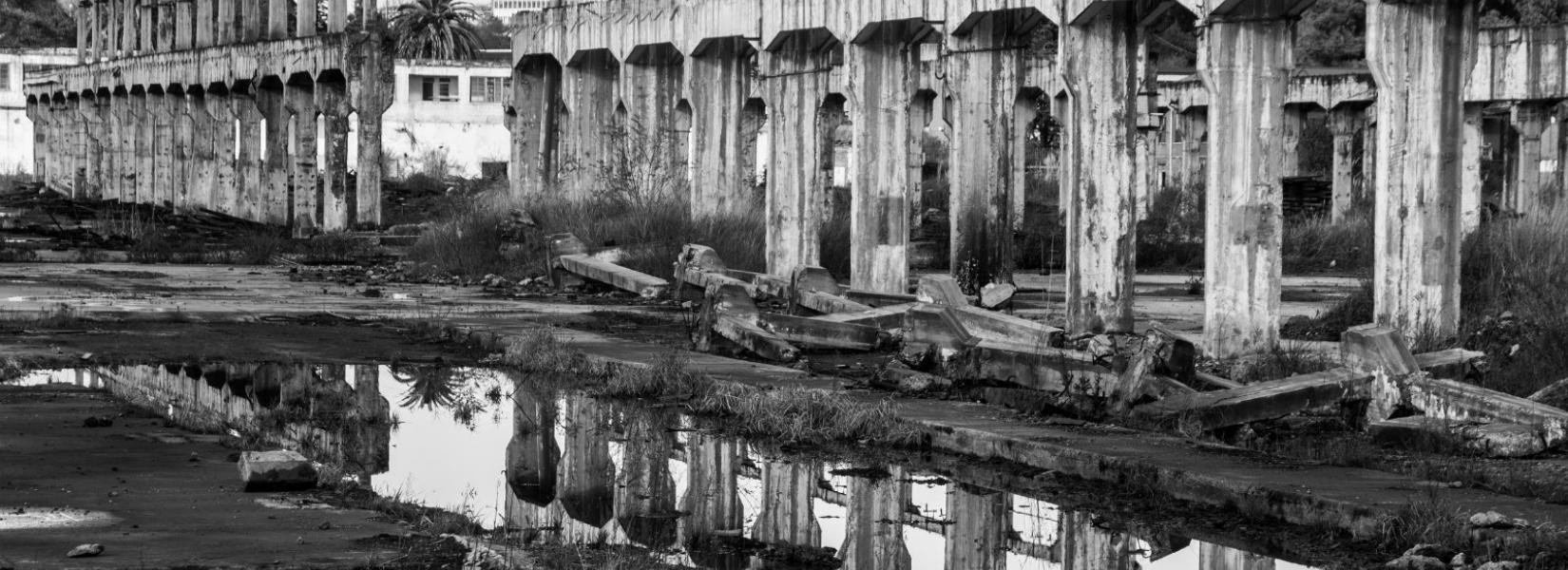
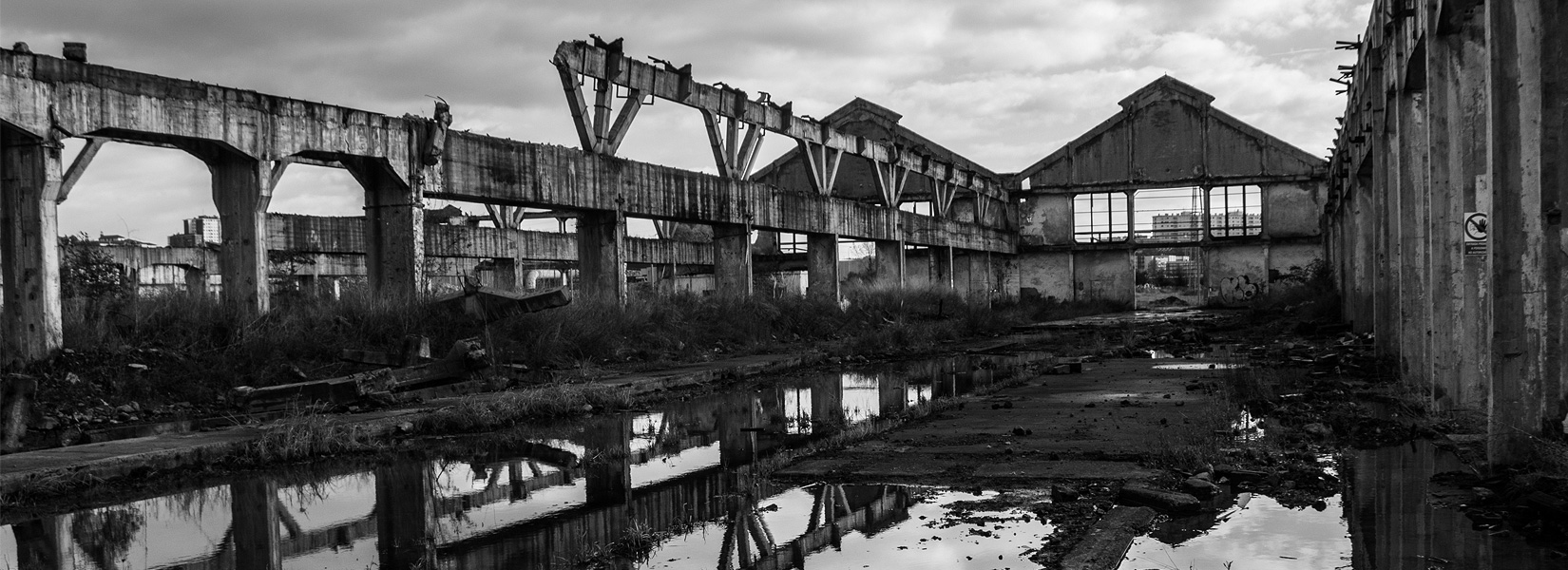
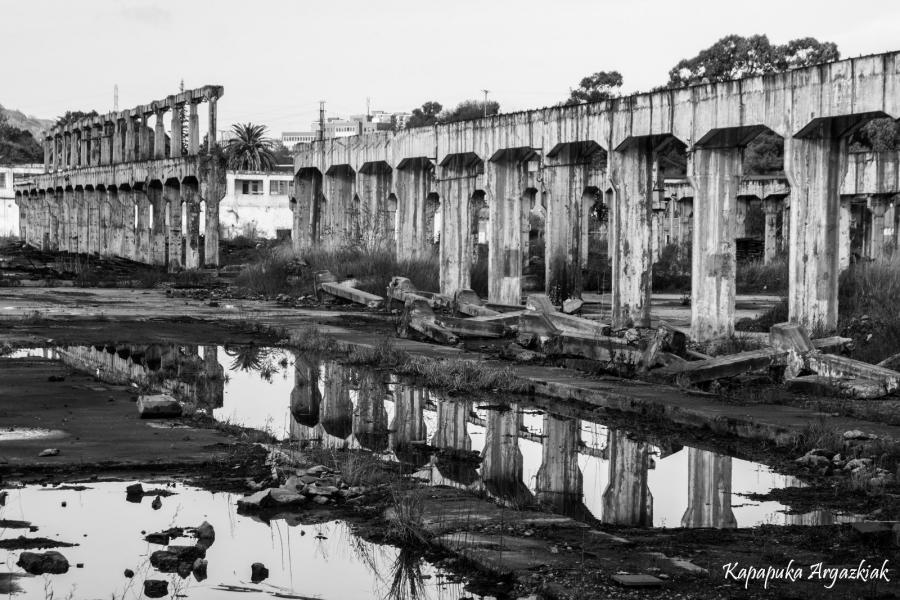
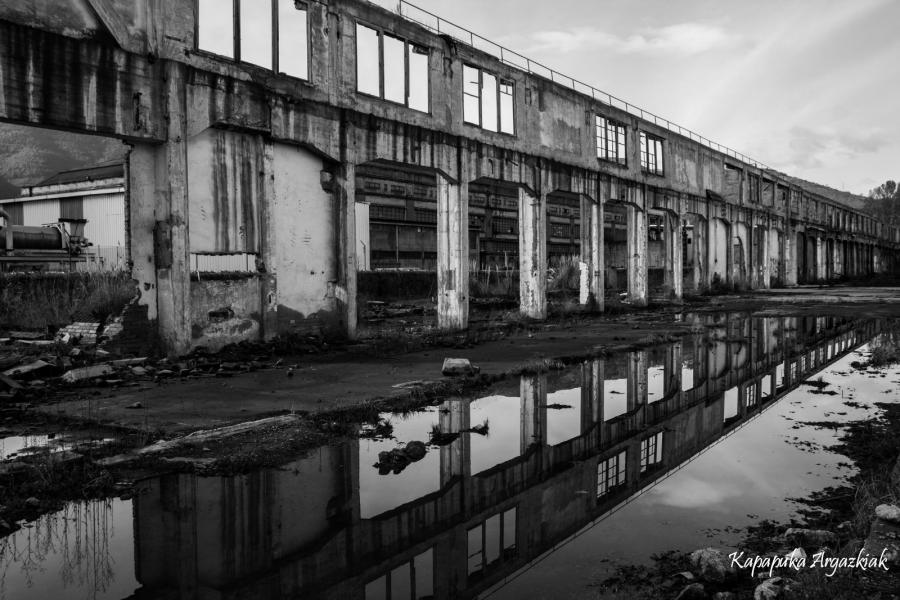
The history of the Babcock & Wilcox in the Galindo valley began during the First World War when the difficulties of the Compañía de los Caminos de Hierro del Norte de España will result in the sale of the plant to the Babcock & Wilcox company, today specializing in energy technologies.
Located in Sestao, near Bilbao, the industrial complex is specialized in the manufacture and repair of industrial locomotives. Among the contracts awarded to the company, Babcock & Wilcox is responsible for the repair of 173 locomotives damaged during the Civil War that divided the country for more than three years. It will also be the last company in Spain to build steam locomotives (1961).
While more than 5,250 employees was working there at its peak in 1976, the oil crisis, which began in the U.S. in 1971, will join Spain at the end of the decade and will cause the beginning of the end of the huge Babcock Wilcox industrial complex in Sestao.
The central government will try somehow to save an industry that was the heart of one of the most important sectors of the region, but unfortunately, the site will be closed in 1992.
While its headquarters are located in Charlotte, North Carolina, USA, the Babcock & Wilcox still operates several plants around the world including Canada, China, Denmark, Sweden, Mexico, India and many more. More than 12,000 people work for the company. Founded in 1867 by Stephen Wilcox and George Babcock, the company has also left behind numerous restructuring plans that resulted by several abandoned factories, including one in Montreal that you can visit on Urbex Playground.

Interested by this place? Here are more pictures of the abandoned Babcock & Wilcox plant of Sestao.
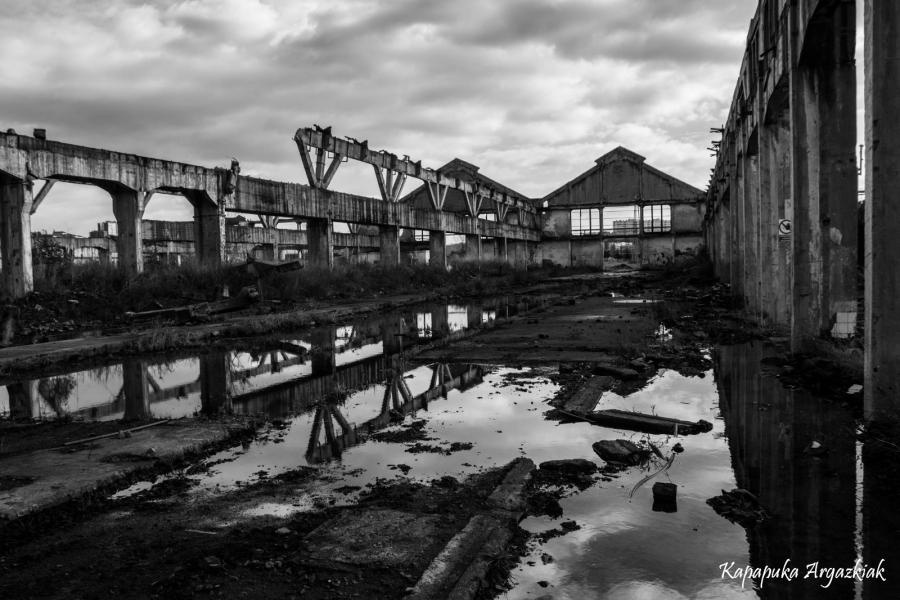
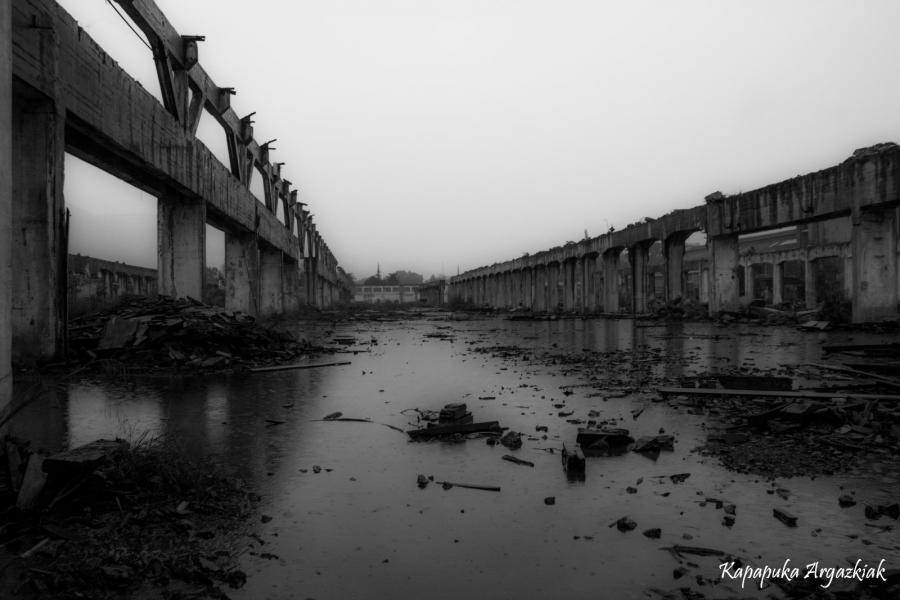
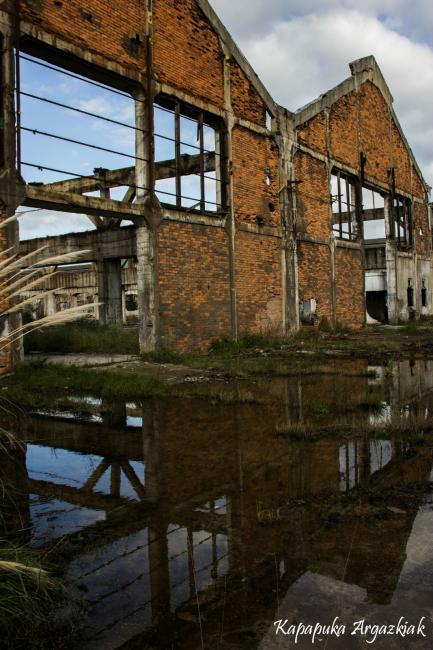
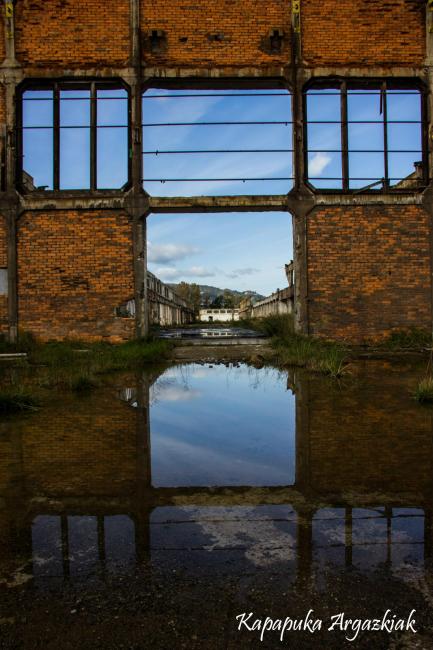
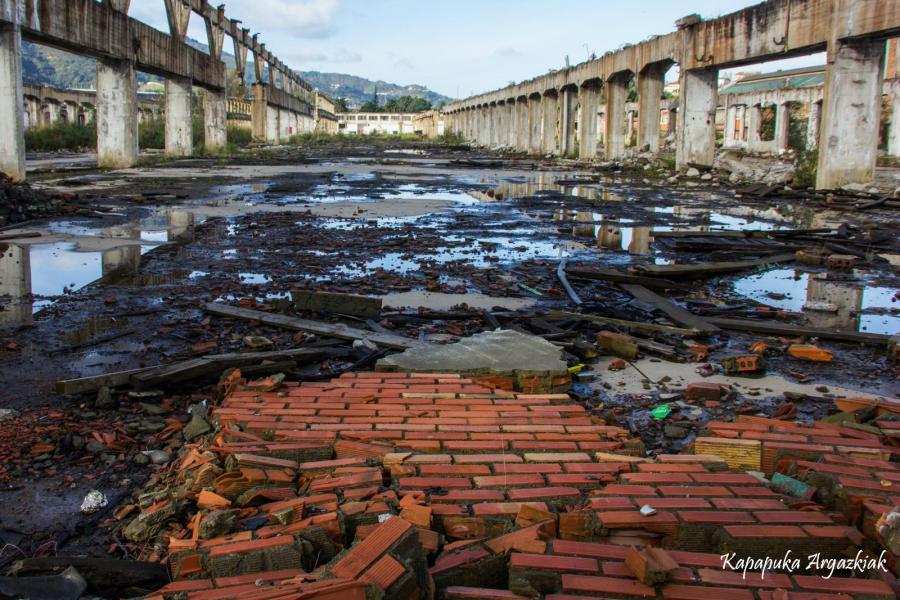
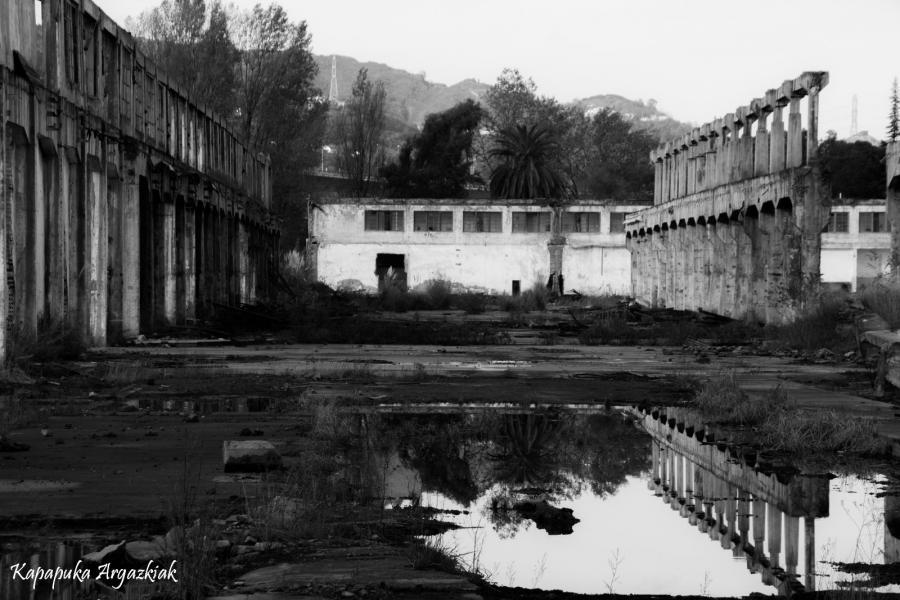
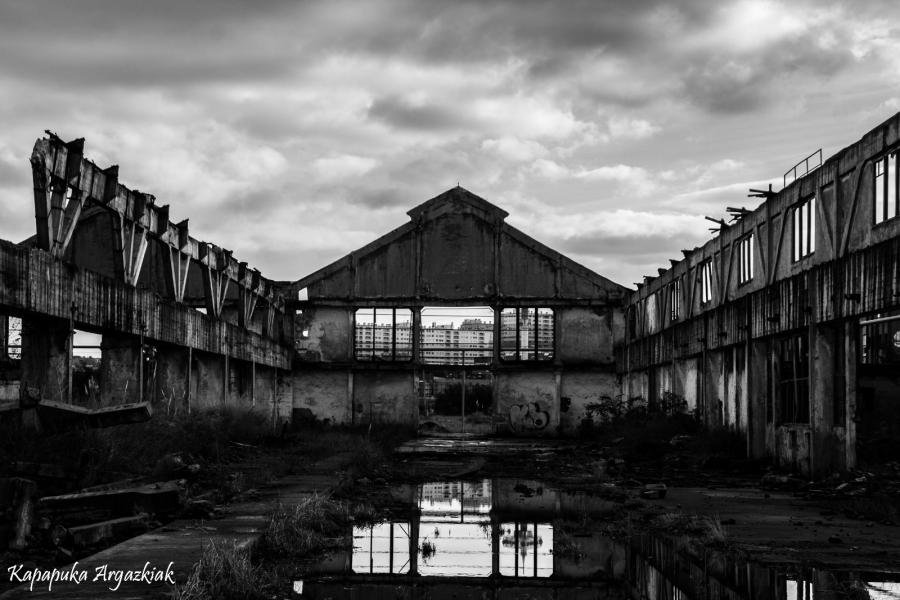
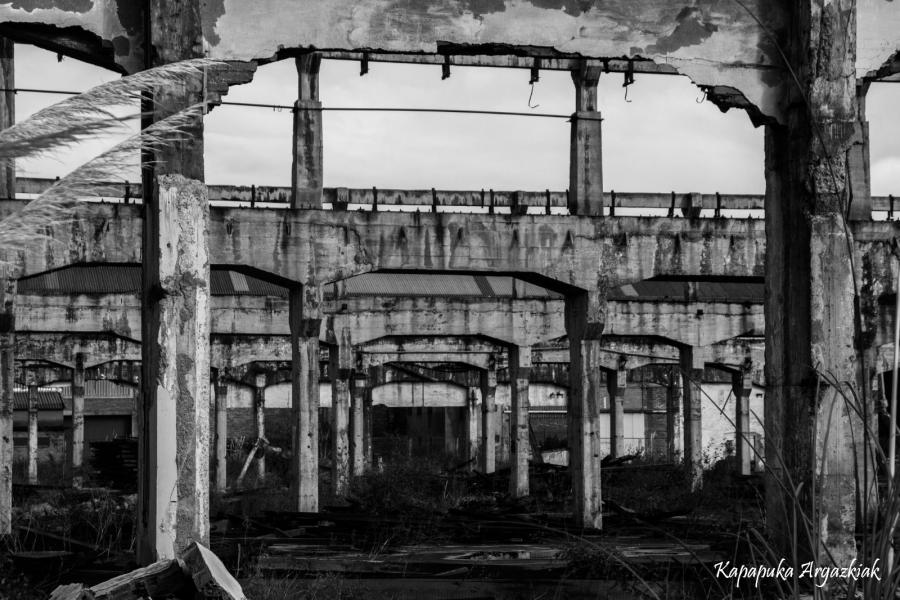
You have information about this place? Better still, you have pictures of this place that you are willing to share? Well, hurry to click this button before I came to kick your ass!
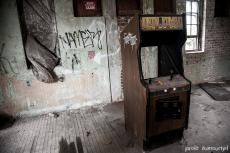
Located on the banks of the Canal Lachine, the old Cie de recyclage de papier de Montréal inc. factory have been destroyed in part since 2009. Today, there are only the old building located behind the front store who is still there.
When...
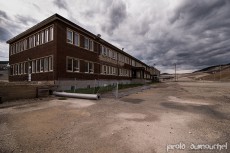
It takes a lot of motivation to get to this old mine and foundry abandoned since 2002. For it must be admitted that we are rather far from everything in this distant municipality of 650 inhabitants. Moreover, if this village exists, it is above...

In the Basque Country there are several generations who have grown up by drinking milk from the Beyena company, a regional source of pride, well beyond its nutritional values. Every day, hundreds of trucks were leaving the factory located in...
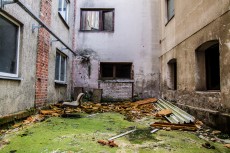
Located in the region of Baranja in Croatia, Šećerana is a settlement of 559 inhabitants near Beli Manastir. Today forgotten and half destroyed, the old Baranja Sugar factory has been built in 1898 and became a state company in 1906. Funded with...


First of all, Urbex Playground is about urban and rural photography lovers. It is the respect of the places we have visited and to whom we have a great admiration. Of its contents, Urbex Playground wishes to preserve the memory of these abandoned, destroyed or dilapidated places who have made the glory of our fathers and which today we have, alas, not enough compassion.
We are not vandals or people necessarily involved in the preservation of these places. We do not pretend to believe that our pictures will change anything in the future of these churches, factories, homes and other abandoned buildings. We're just passionate about the image in the perpetual quest for new photographic challenges.
Urbex Playground is not a photo club, any more than we are touristic guides for these forbidden places. Moreover, in any case, Urbex Playground do not invites you to visit these places without the consent of its owners. These places are dangerous and by entering into these places, legal actions can be taken against you.
However, if you have pictures or information about any abandoned places, do not hesitate to contact us. We will be glad to publish them on the site, including your credit with your name and your website. Like this, our visitors will be able to visite your own website. Do not hesitate to contact us if you have any questions.
Follow us on the following social network. Make sure also to visit these amazing websites by some of our members.
© 2018 Urbex Playground is a creation of Jarold & go. All rights reserved.