
The place is big, very big. While the building is nearly 200,000 square feet, the site, meanwhile, is over than 430,000 square feet in an agricultural area of Saint-Jean-sur-Richelieu. For those interested, the site is for sale and the current...

Urban and rural photographic exploration
The abandoned Baranja sugar factory
National Pride
Šećerana, Croatia
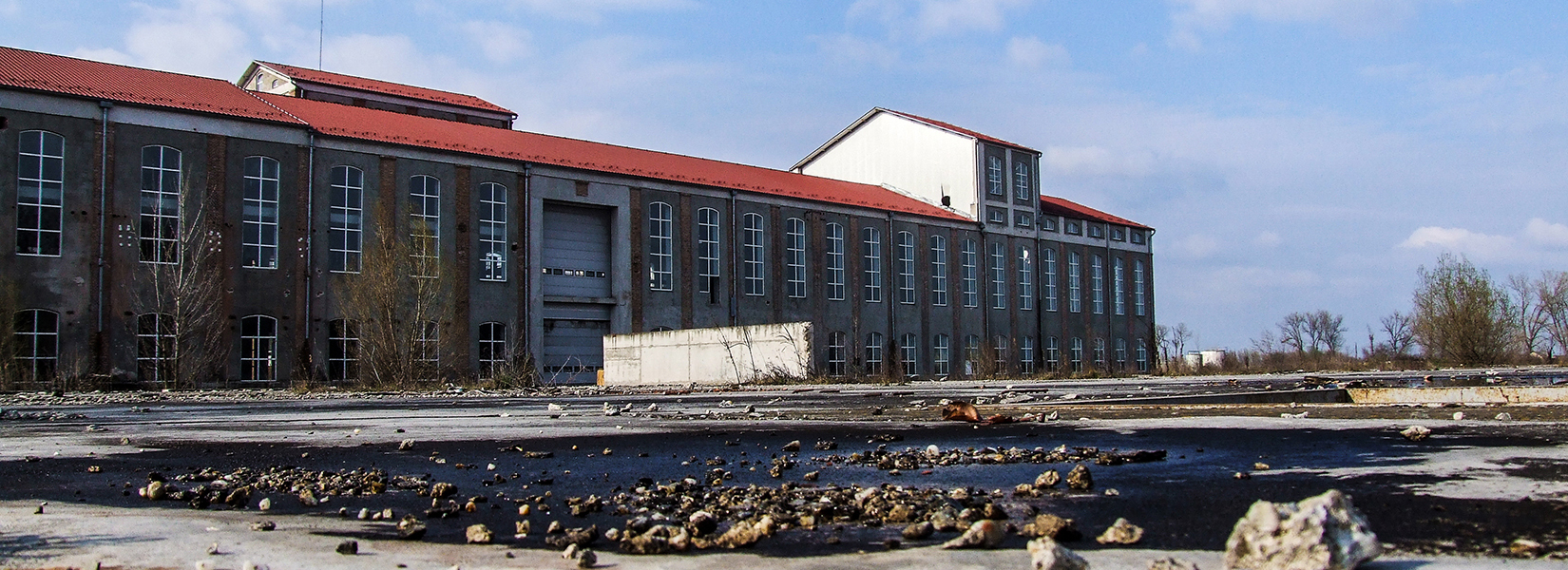
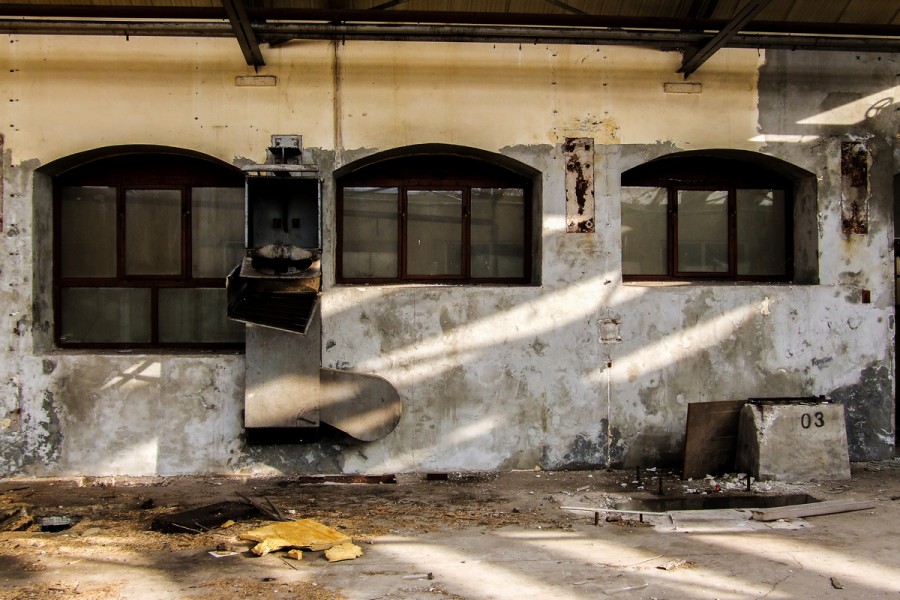
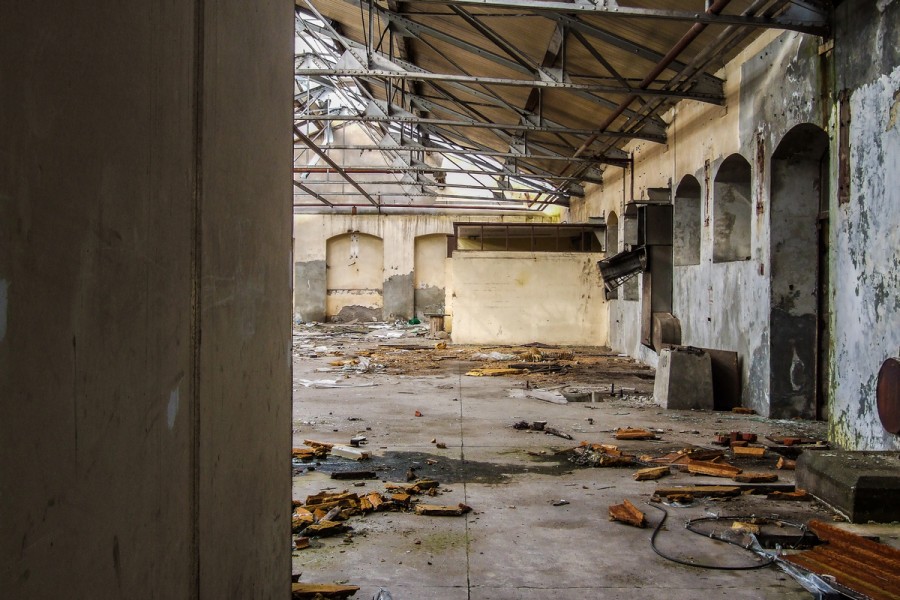
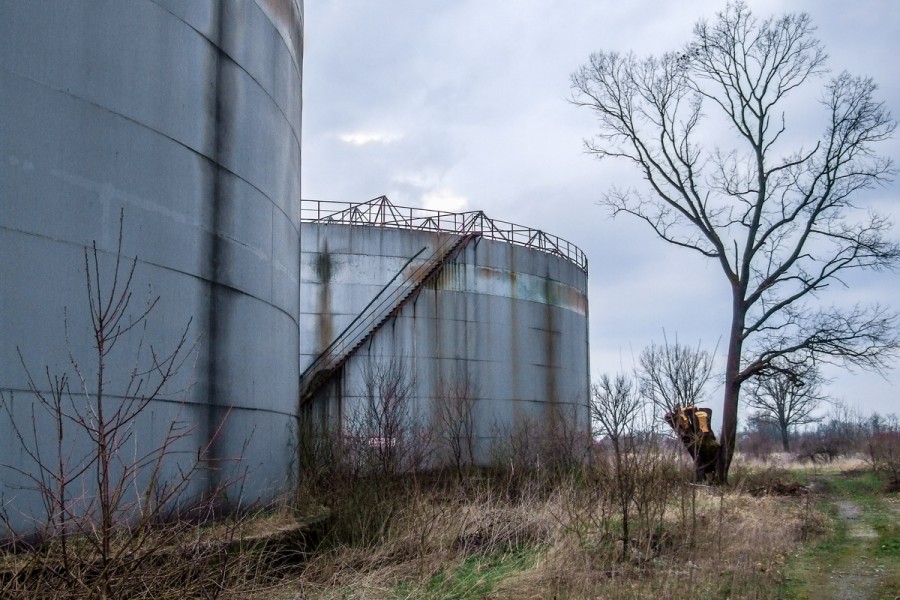
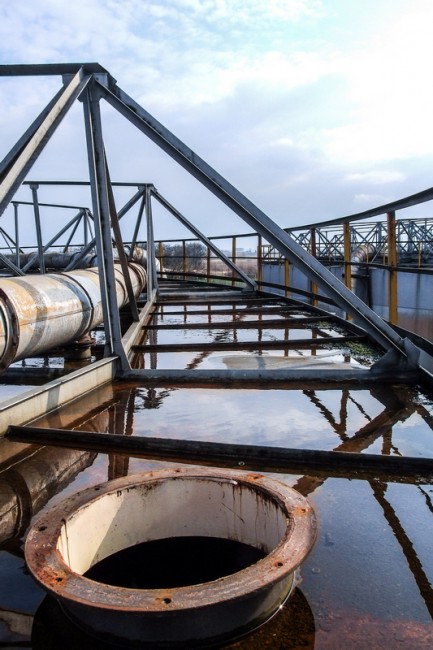
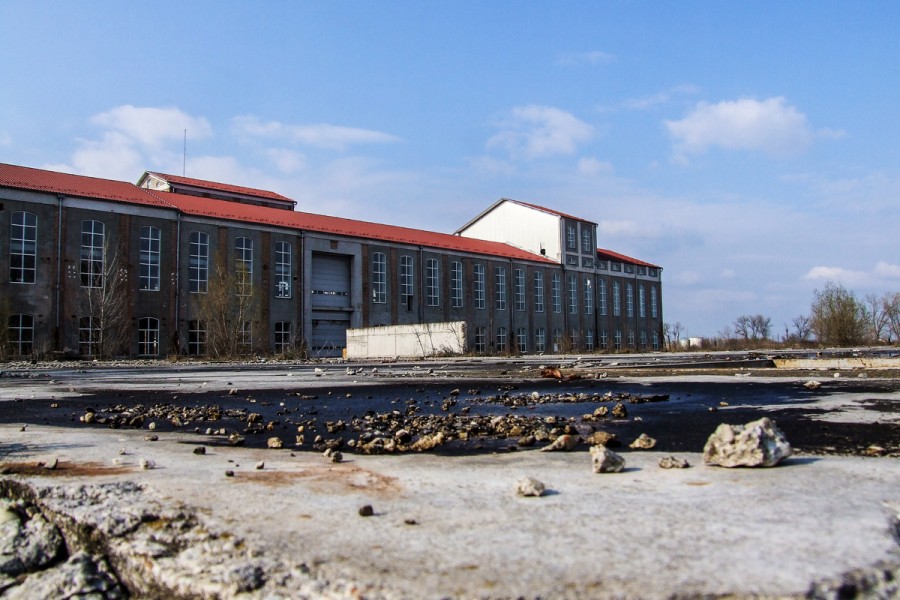
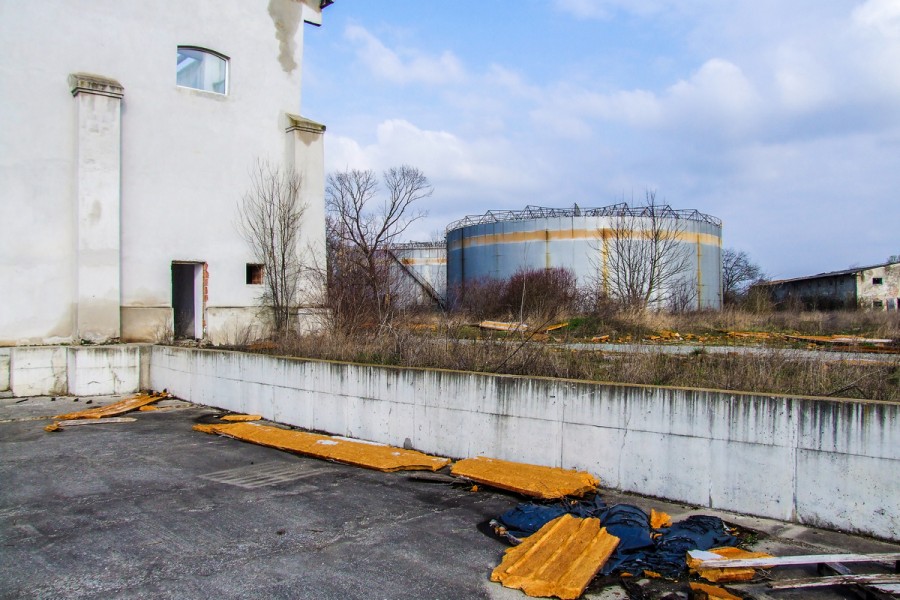
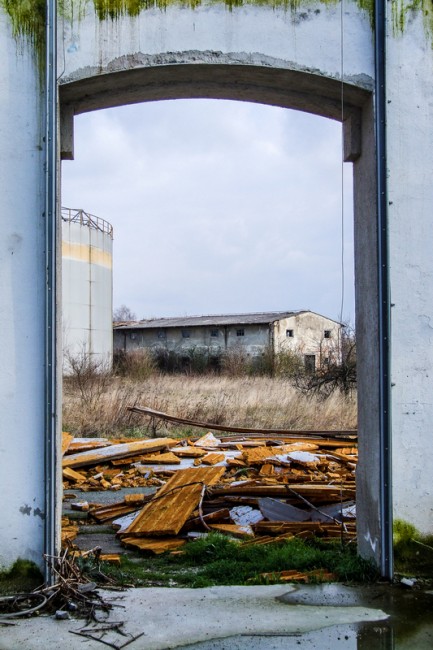
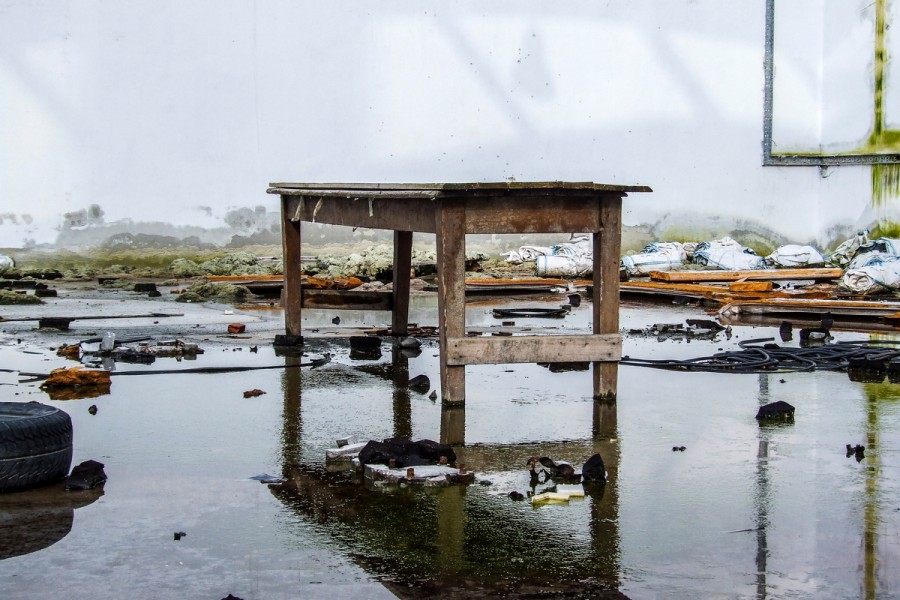
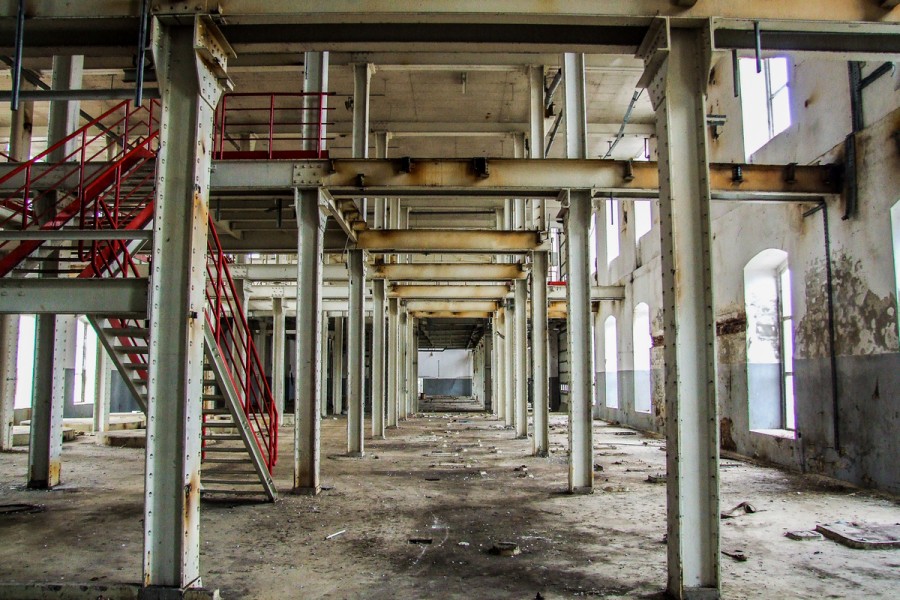
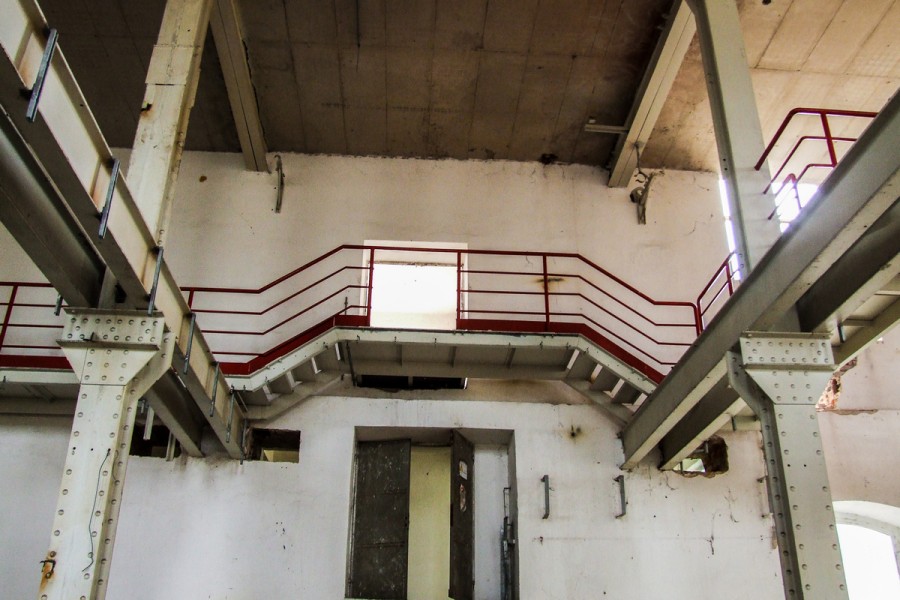
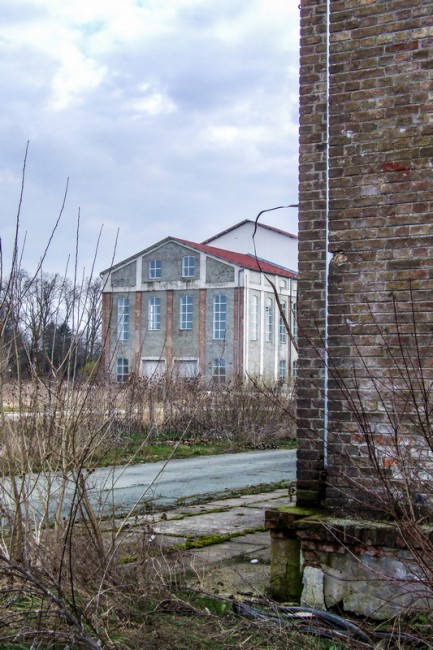
Located in the region of Baranja in Croatia, Šećerana is a settlement of 559 inhabitants near Beli Manastir. Today forgotten and half destroyed, the old Baranja Sugar factory has been built in 1898 and became a state company in 1906. Funded with the Prince Friedrich Karl of Prussia’ money, he also accepted a rate of 1,5%. Known as the greatest flourishing in the seventies and the eighties, there were more than hundred workers at its golden age.
In the 90s, the sugar plant is closed by its owner: PIK Belje. But in 2004, the plant is reopened and it starts to produce starch. The plant is finally closed few years later.
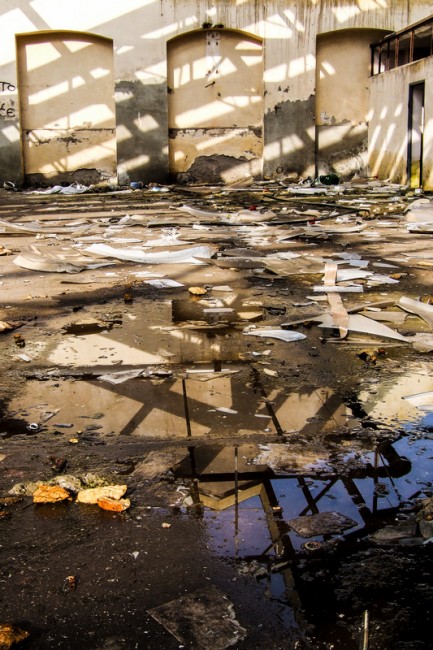
Today, half of the plant has been destroyed and Šećerana is a little town who lost more than a plant: there is no more restaurant, discotheque or bowling.

Photo gallery
Interested by this place? Here are more pictures of the abandoned Baranja sugar factory.
Urbex Playground
needs you !
You have information about this place? Better still, you have pictures of this place that you are willing to share? Well, hurry to click this button before I came to kick your ass!
Related content
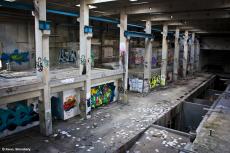
Düsseldorf, (Germany)
Normally on Easter Sunday one spends time his or her family, however on this particular Easter a friend and I decided to wake up early and do some Urban Exploration.
What is great about living in Germany is that there are several abandoned...
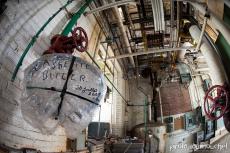
Eastern Townships, Quebec (Canada)
For several times I passed by this little factory located in an old industrial area in the Eastern Townships, but I never been inside. Each time, I wondered if it was still active or abandoned. I must say that several tiles were broken, but I was...
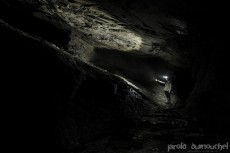
Heavily damaged by the time, the old copper mine is closed for several years. While its lower floors are completely flooded with muddy and stagnant water, the ground floor was, meanwhile, weakened by a sedimentary rock ceiling that collapsed in...


About Urbex playground
First of all, Urbex Playground is about urban and rural photography lovers. It is the respect of the places we have visited and to whom we have a great admiration. Of its contents, Urbex Playground wishes to preserve the memory of these abandoned, destroyed or dilapidated places who have made the glory of our fathers and which today we have, alas, not enough compassion.
We are not vandals or people necessarily involved in the preservation of these places. We do not pretend to believe that our pictures will change anything in the future of these churches, factories, homes and other abandoned buildings. We're just passionate about the image in the perpetual quest for new photographic challenges.
Urbex Playground is not a photo club, any more than we are touristic guides for these forbidden places. Moreover, in any case, Urbex Playground do not invites you to visit these places without the consent of its owners. These places are dangerous and by entering into these places, legal actions can be taken against you.
However, if you have pictures or information about any abandoned places, do not hesitate to contact us. We will be glad to publish them on the site, including your credit with your name and your website. Like this, our visitors will be able to visite your own website. Do not hesitate to contact us if you have any questions.
Urbex playground is social
Follow us on the following social network. Make sure also to visit these amazing websites by some of our members.
© 2018 Urbex Playground is a creation of Jarold & go. All rights reserved.