
Its architecture reminds of the old ramparts of Quebec instead the image to which one is accustomed to power plants.
Yet it is part of this canadian architectural style of the late nineteenth and much of the twentieth century. One of the...

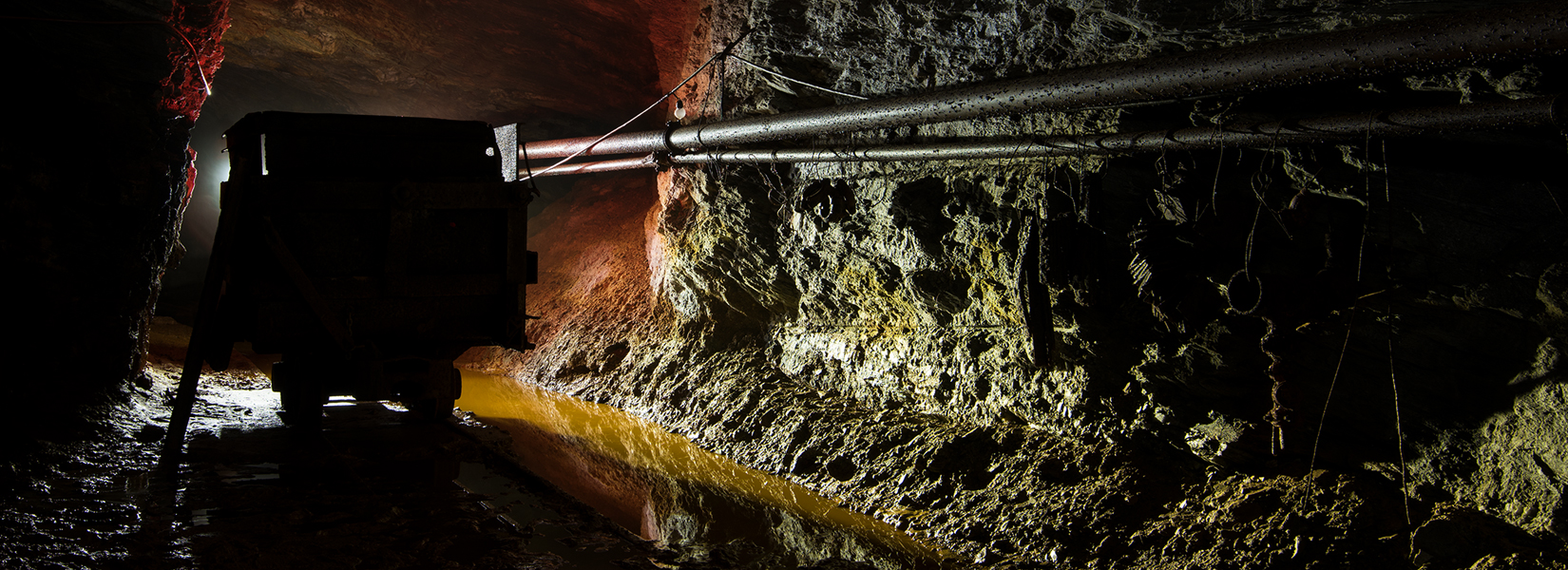
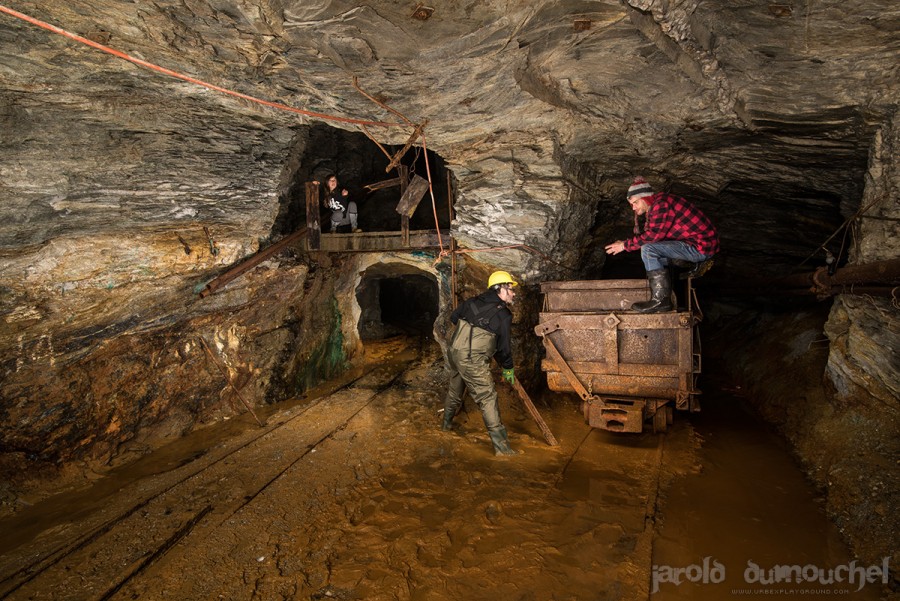
Heavily damaged by the time, the old copper mine is closed for several years. While its lower floors are completely flooded with muddy and stagnant water, the ground floor was, meanwhile, weakened by a sedimentary rock ceiling that collapsed in some places.
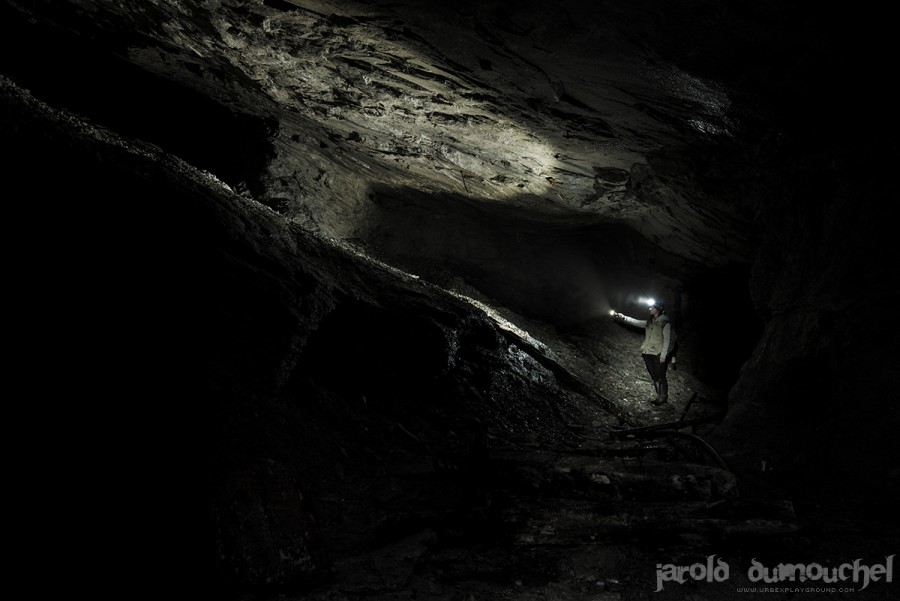
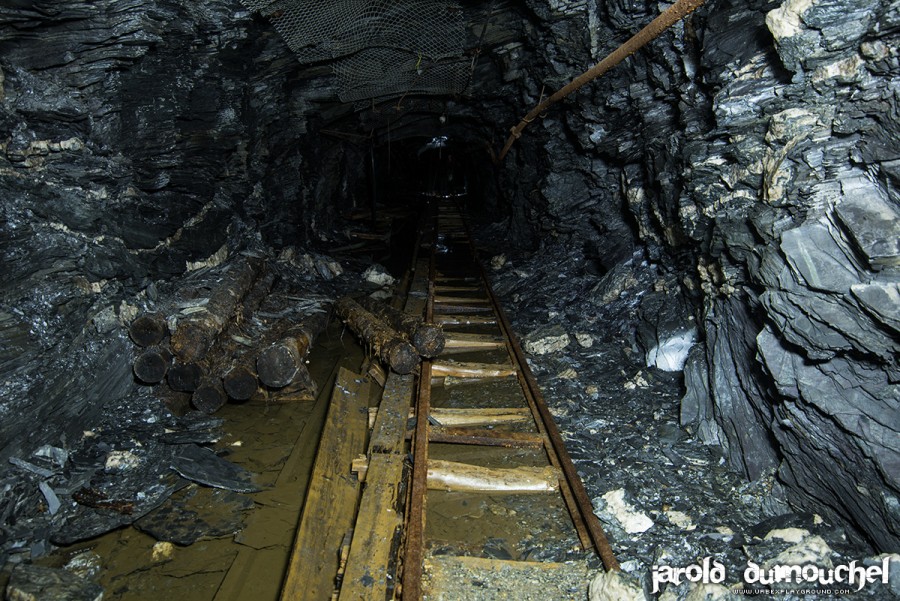
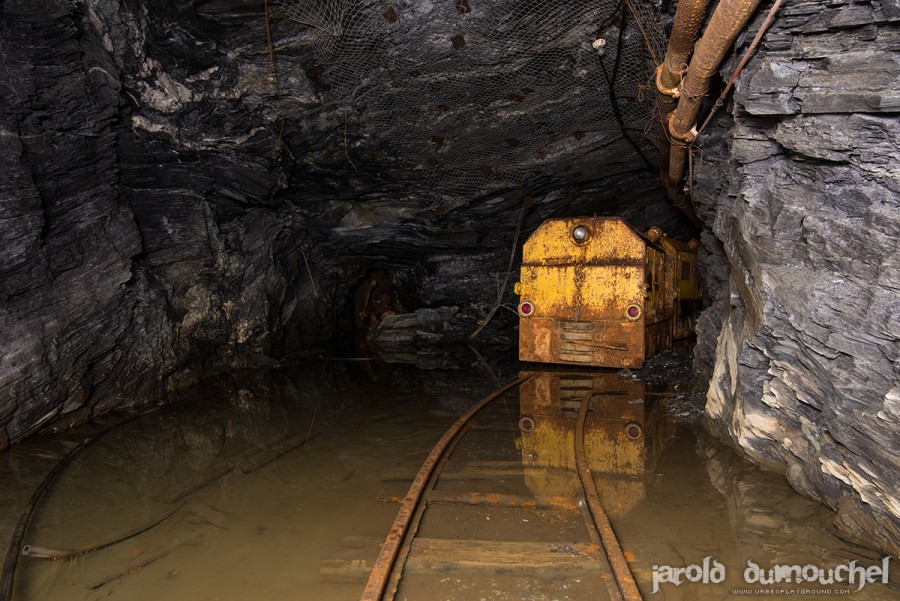
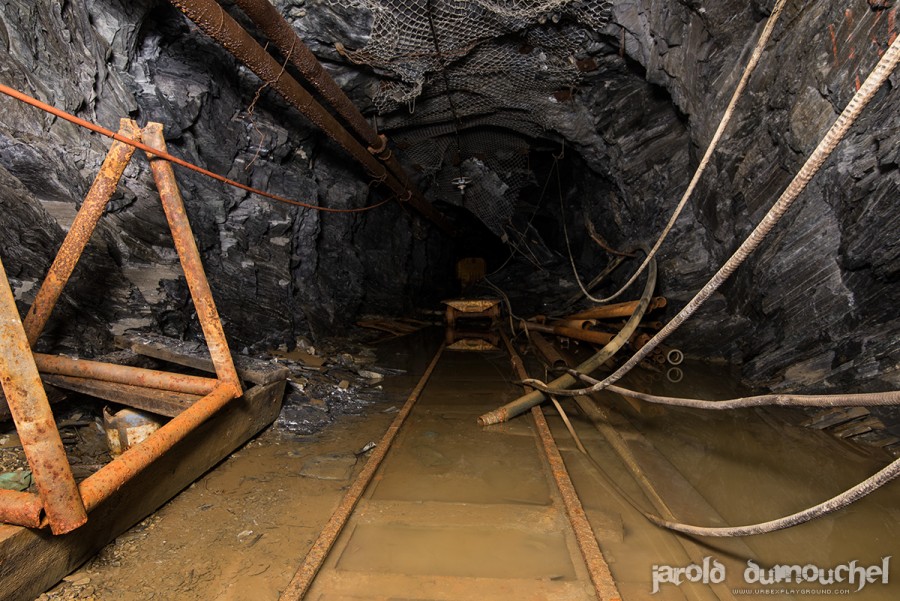
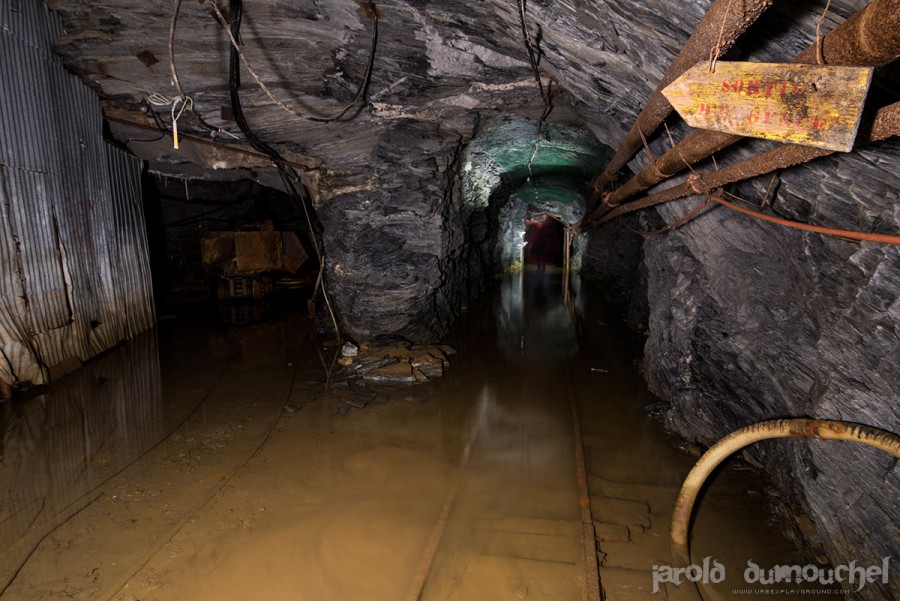
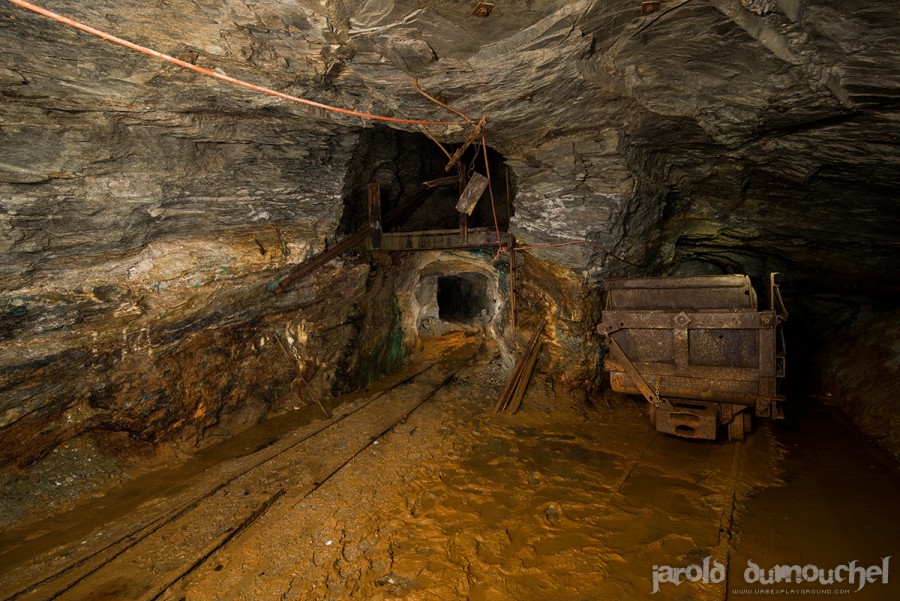
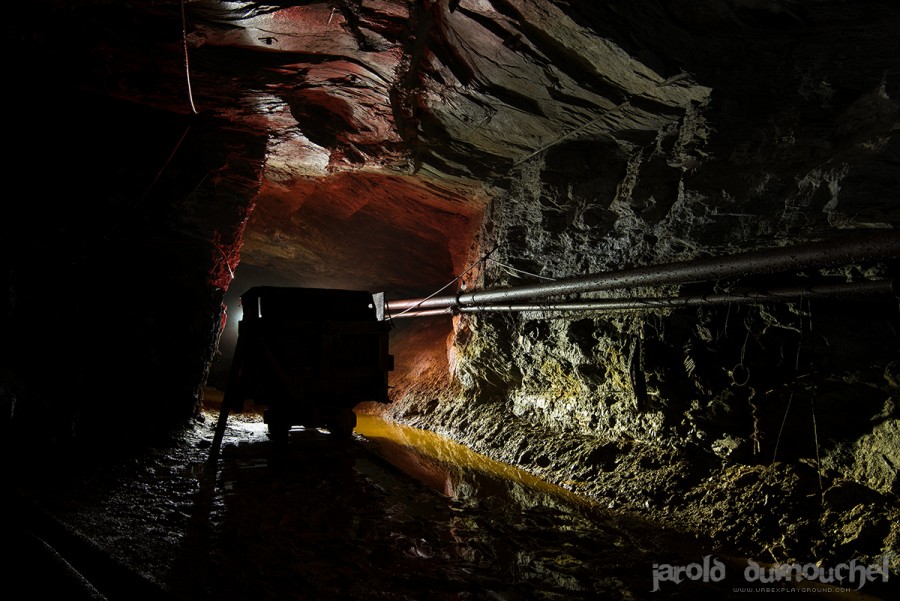
Inside the mine, the relics of a bygone era await there, gnawed by the rust. 30 centimeters of opaque water cover the rails and make this walk risky. The water is cold and you don't see your feets. The humidity through you like a sieve. Ten degrees Celsius also separate the external temperature from the inside. The place is quiet. Except for our feet in the water, we hear only these drops of water falling from the ceiling. In some places, limestone stalactites have formed and are about 30 centimeters long.
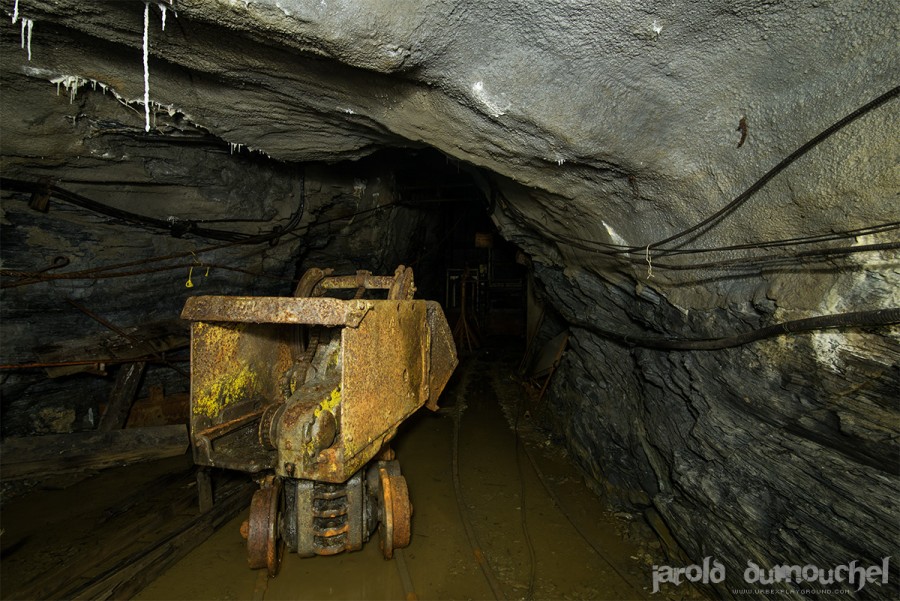
When you enter the tunnel, it only takes a few tens of meters to discover a small locomotive, once used to pull wagons filled with the precious ore that was processed on site in facilities located at the exit of the mine.
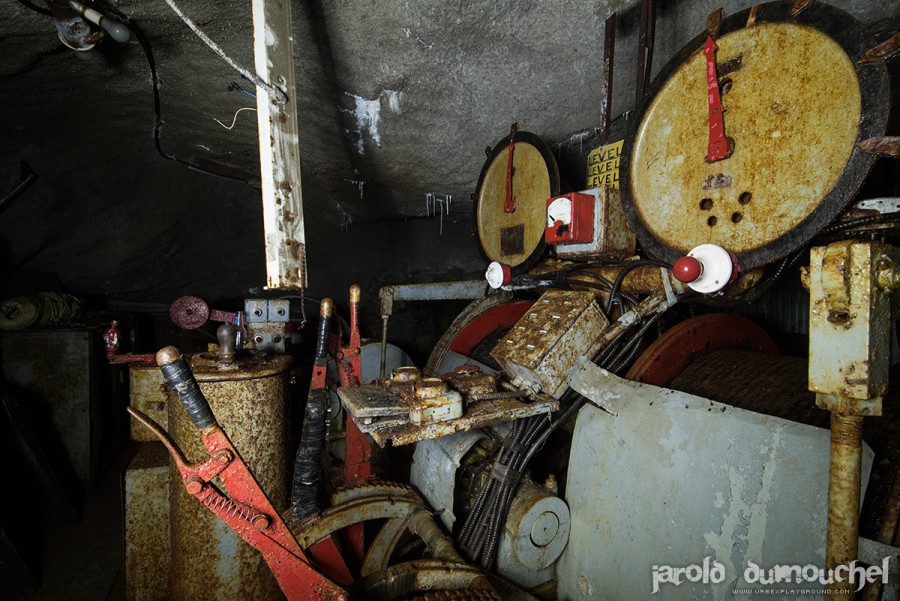
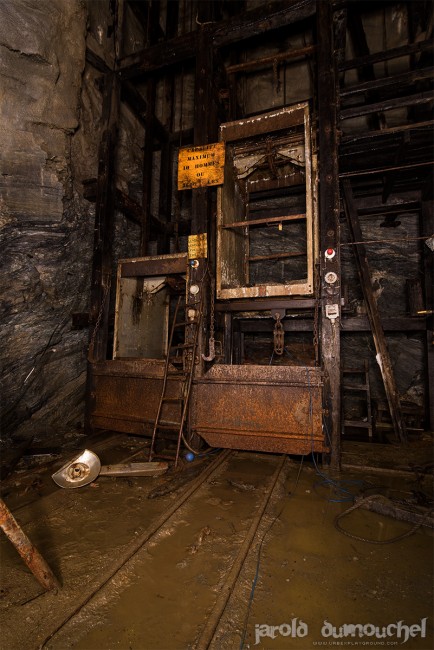
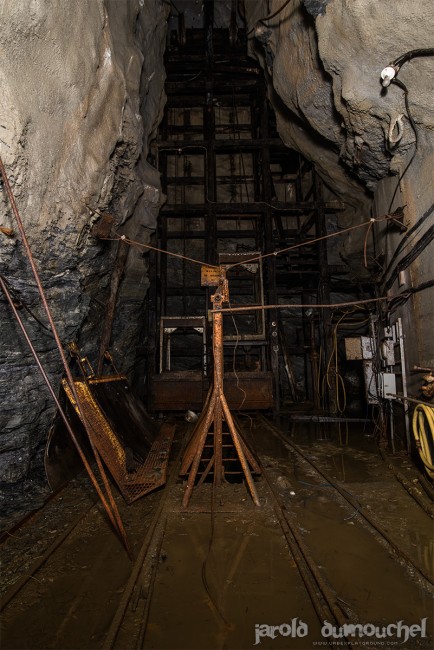
A little further into the tunnel, we find this old elevator that was used to send the miners in the depths of the mountain. Cemented in order to secure the area, this room is surprising with its ceiling located fifteen meters above the ground. Installations for the elevator are astonishing for this confined area.
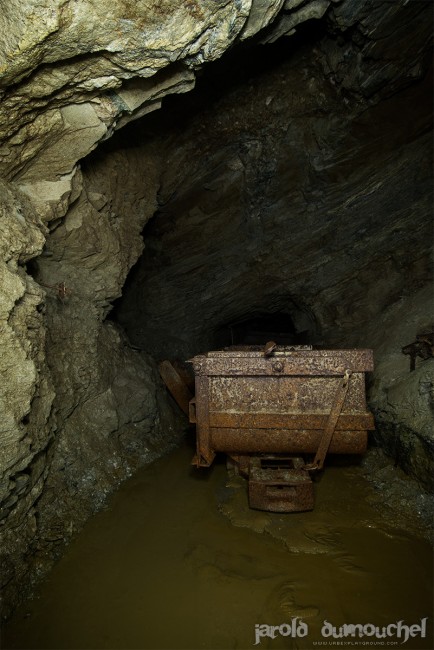
Few meters from there, empty wagons located in the different tributaries of the tunnel give us a idea how deep these tunnels goes.
In some places, the contact with water, air and various minerals have gave multiple colored walls. From green to orange through the white, black and yellow, the beauty of the place is surprising.

Interested by this place? Here are more pictures of the old and abandoned mine.

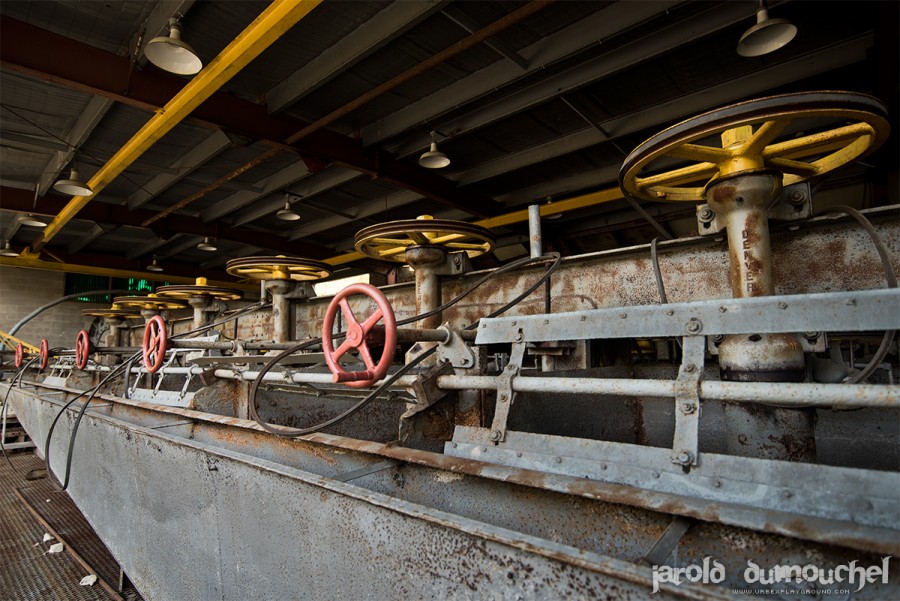


You have information about this place? Better still, you have pictures of this place that you are willing to share? Well, hurry to click this button before I came to kick your ass!
Its architecture reminds of the old ramparts of Quebec instead the image to which one is accustomed to power plants.
Yet it is part of this canadian architectural style of the late nineteenth and much of the twentieth century. One of the...
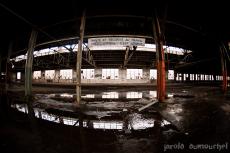
Victim of the globalization of markets, the history of Stelfil Ltd. has suddenly stopped on March 28, 2008 for the factory and its hundred employees. The company has been decorated in 2002 in the Great manufacturing company category by the...
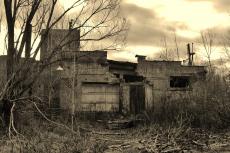
Located in Gloversville near Albany NY, this abandoned factory is ready to crumble. Before 1870, Gloversville was a small village called Stump City. When it became an incorporated village in 1853, the name was changed to Gloversville due to the...
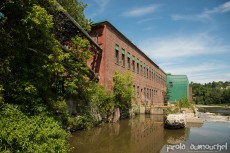
It was October 3, 2014 when it has been heard for the last time the siren for the end of the work shift. The last 180 employees picked up their belongings and closed the door behind them, thus ending an industrial history of over 125 years.
...


First of all, Urbex Playground is about urban and rural photography lovers. It is the respect of the places we have visited and to whom we have a great admiration. Of its contents, Urbex Playground wishes to preserve the memory of these abandoned, destroyed or dilapidated places who have made the glory of our fathers and which today we have, alas, not enough compassion.
We are not vandals or people necessarily involved in the preservation of these places. We do not pretend to believe that our pictures will change anything in the future of these churches, factories, homes and other abandoned buildings. We're just passionate about the image in the perpetual quest for new photographic challenges.
Urbex Playground is not a photo club, any more than we are touristic guides for these forbidden places. Moreover, in any case, Urbex Playground do not invites you to visit these places without the consent of its owners. These places are dangerous and by entering into these places, legal actions can be taken against you.
However, if you have pictures or information about any abandoned places, do not hesitate to contact us. We will be glad to publish them on the site, including your credit with your name and your website. Like this, our visitors will be able to visite your own website. Do not hesitate to contact us if you have any questions.
Follow us on the following social network. Make sure also to visit these amazing websites by some of our members.
© 2018 Urbex Playground is a creation of Jarold & go. All rights reserved.