
Built in 1930, the Wellington tower has ceased operations in 2000. Despite the years that have passed and graffiti artists who came to express their art, the structure of the old tower is still ok. When it was in operation, that's where that were...

Urban and rural photographic exploration
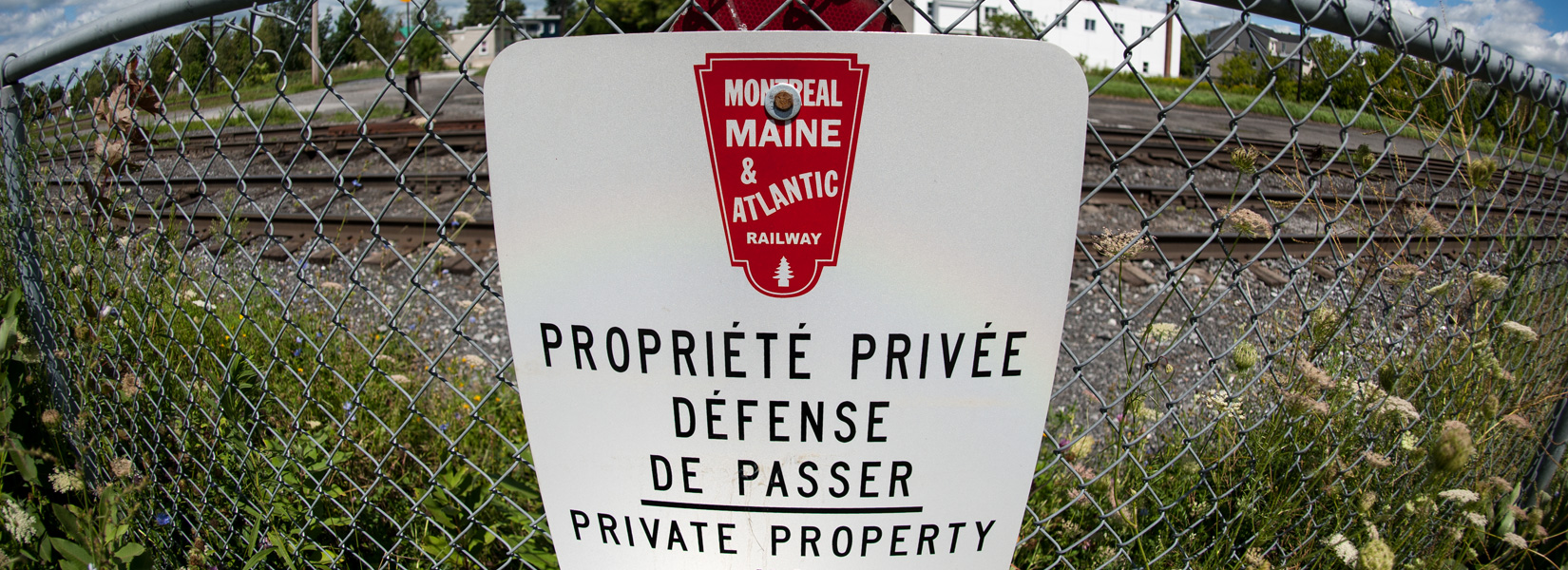
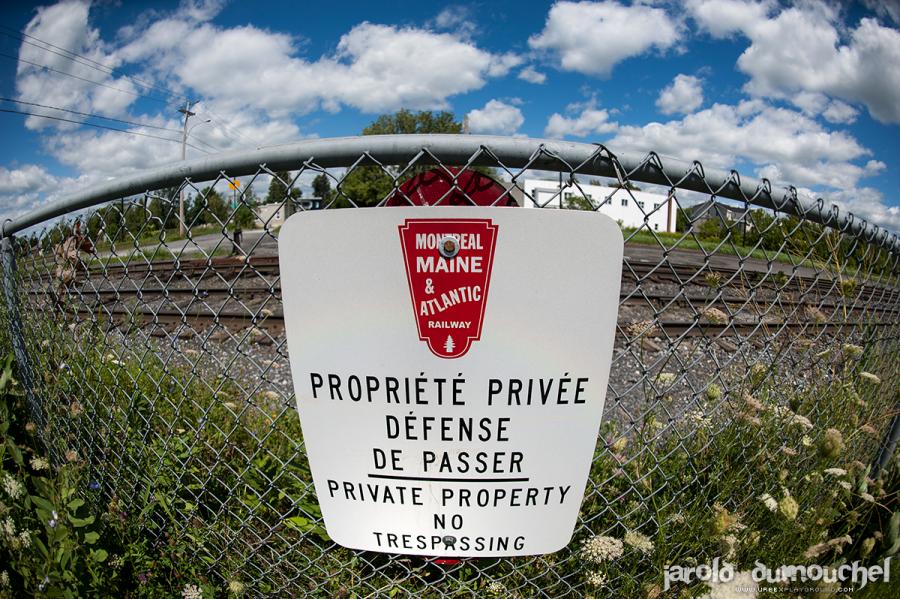
The Montreal Maine & Atlantic Railway company
Bankruptcy and other disasters
Eastern Townships (Quebec), Canada
Well, to be honest, the railway Montreal Maine & Atlantic Railway site we visited is not a real urbex site. At least not yet. But between you and me, it should not take long.
A story that everybody hear about
Whether you live in Quebec or not, you've probably heard of this tragedy in Lac-Megantic where a railway convoy of the Montreal Maine & Atlantic Railway (MMA) has literally destroyed the city in an explosion that killed more than 47 people. Since then, the company faces prosecution, had to be placed itself under the bankruptcy protection law and its poor crisis management has enrages all the country.
In short, the company is in big trouble and, after fired most of its employees, it is unclear how the company will get out of this situation. The many sites owned by the company are now deserted and many of them were vandalized by an angry population that holds the company responsible for the tragedy.
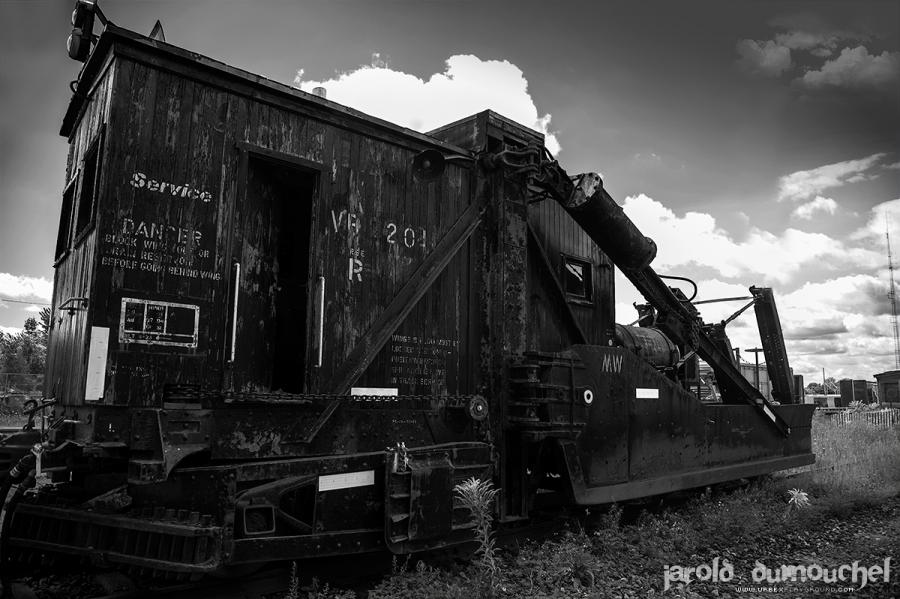
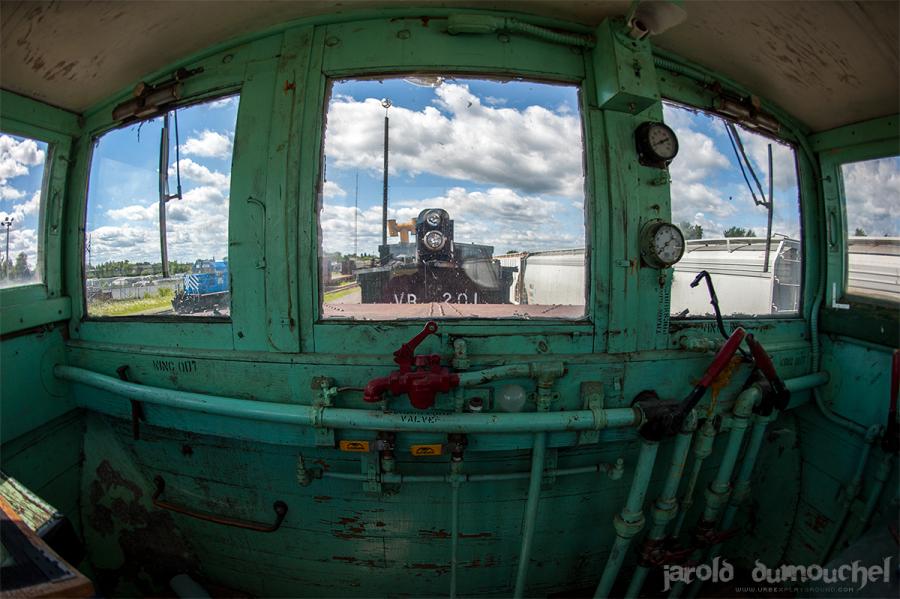
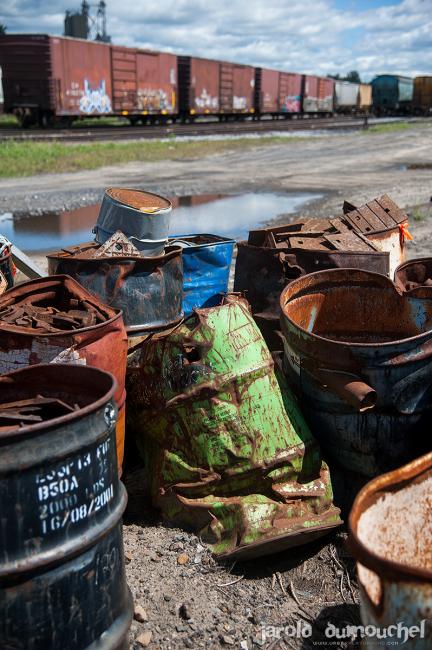
There was therefore no one during our visit in this Saturday afternoon, and even if we found few buildings (which will surely be abandoned in the coming weeks), we rather focused on trains and different rusted structures we could find on the site. I will have the chance to come back for the buildings by the end of summer when the activity of the company will be completely stopped.
This choice was the good one, because several trains could be visited. While some structures had no interest, others against, were very informative. So here is some pictures of this little trip where I will, for sure, be back in the coming weeks.

Photo gallery
Interested by this place? Here are more pictures of the Montreal Maine & Atlantic Railway company.



Urbex Playground
needs you !
You have information about this place? Better still, you have pictures of this place that you are willing to share? Well, hurry to click this button before I came to kick your ass!
Related content
Montréal, Quebec (Canada)
No doubt, this is a mysterious building. There is no reliable information about this abandoned building on the Internet. Impossible to corroborate the details found here and there. Indeed, even the name of the building can’t be confirmed. While...
Calzadilla de los Barros, (Spain)
Located a few kilometers from the municipality of Calzadilla de los Barros and its 850 inhabitants, the abandoned aerodrome dates from before the Spanish Civil War which took place from 1936 to 1939 with the victory of General Franco.
It...
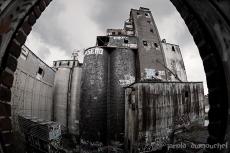
Montréal, Quebec (Canada)
Built in the early twentieth century, the former Canada Malting plant has a dozen gigantic silos of 37 meters high. The oldest was built in 1905. Hundreds of employees worked there after the Second World War, until the closure of the factory at...


About Urbex playground
First of all, Urbex Playground is about urban and rural photography lovers. It is the respect of the places we have visited and to whom we have a great admiration. Of its contents, Urbex Playground wishes to preserve the memory of these abandoned, destroyed or dilapidated places who have made the glory of our fathers and which today we have, alas, not enough compassion.
We are not vandals or people necessarily involved in the preservation of these places. We do not pretend to believe that our pictures will change anything in the future of these churches, factories, homes and other abandoned buildings. We're just passionate about the image in the perpetual quest for new photographic challenges.
Urbex Playground is not a photo club, any more than we are touristic guides for these forbidden places. Moreover, in any case, Urbex Playground do not invites you to visit these places without the consent of its owners. These places are dangerous and by entering into these places, legal actions can be taken against you.
However, if you have pictures or information about any abandoned places, do not hesitate to contact us. We will be glad to publish them on the site, including your credit with your name and your website. Like this, our visitors will be able to visite your own website. Do not hesitate to contact us if you have any questions.
Urbex playground is social
Follow us on the following social network. Make sure also to visit these amazing websites by some of our members.
© 2018 Urbex Playground is a creation of Jarold & go. All rights reserved.