More than a century of expertise in the construction of mega steel structure that represents hundreds of projects from coast to coast. The company's story began in 1879 in Toronto, where a group of businessmen sniff a bargain following the...

Urban and rural photographic exploration
The former incinerator des Carrières in Montreal
A pollution plant in the middle of the city
Montréal (Quebec), Canada
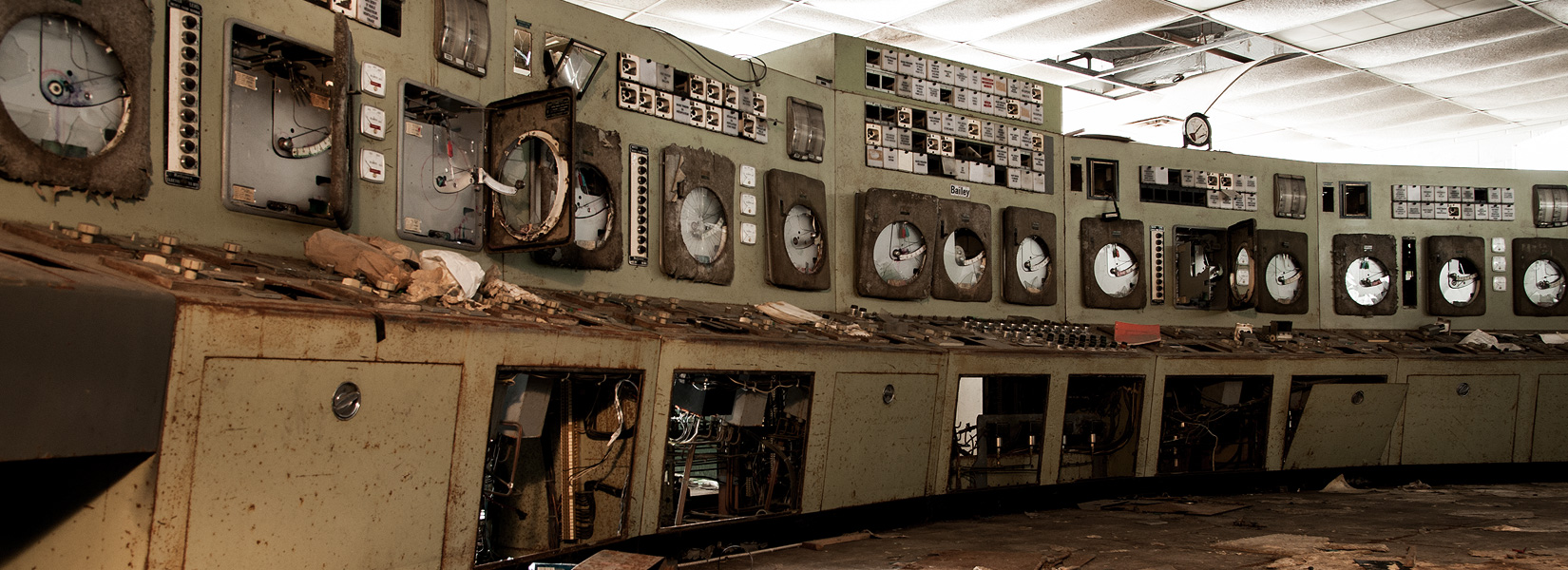
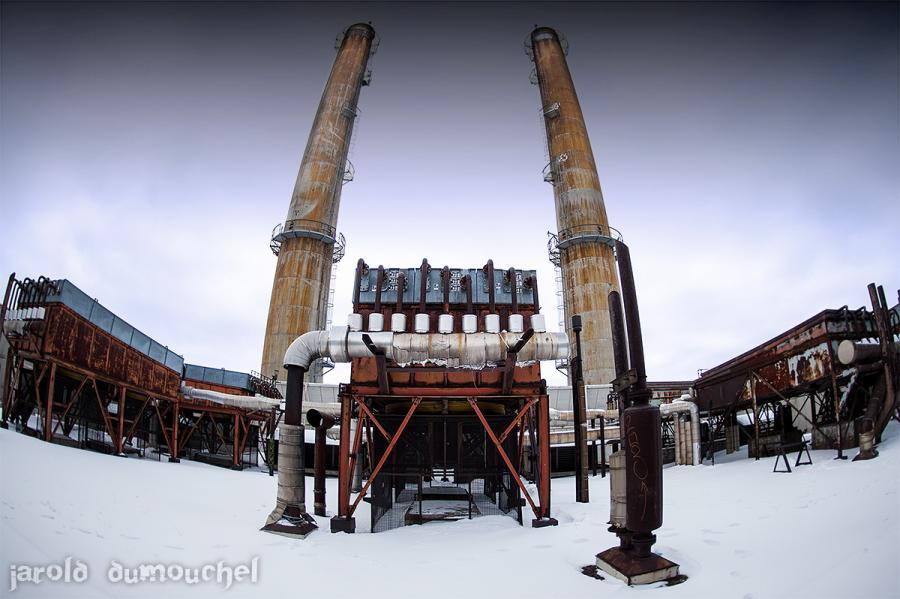
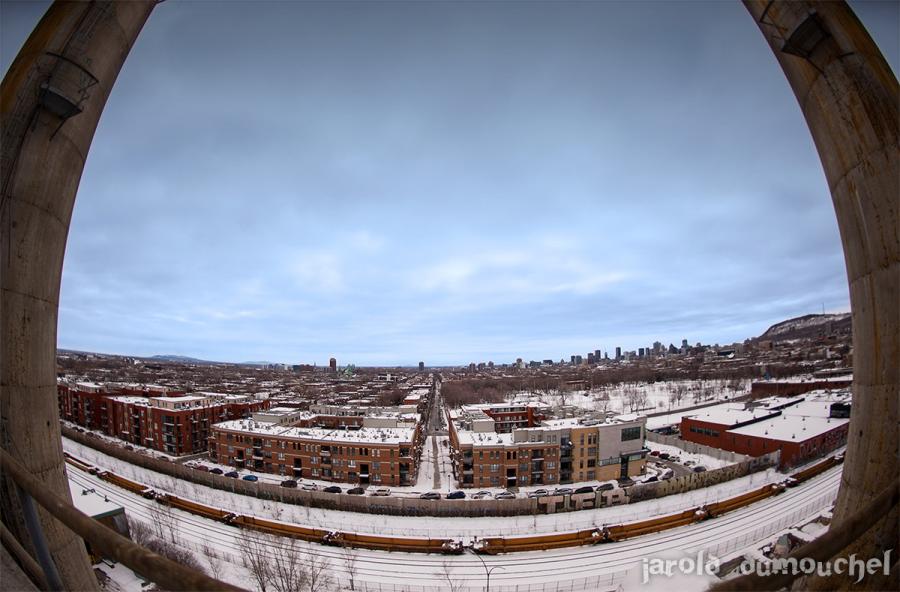
Abandoned since December 1993, the former incinerator des Carrières, known as the incinerator # 3 is now partly used as a warehouse by the City of Montreal. It is also one of the few places where there have power in a portion of the building.
Closed as a result of too high concentrations of dioxins and furans, the history of the incinerator des Carrières begins in 1929 when the city start to build an incinerator near the current building. With its incineration capacity of 300 tons per day, he allowed the city to close the small domestic incinerators, obsolete and dangerous dumps, which took more space and which came from terrible odors.
Despite all this and, not surprisingly, the site is responsible for the deterioration of the air quality in the area. It was therefore decided to build right next to the old incinerator a brand new incinerator: the # 3. Presented in 70s as the most modern incinerator in Canada and even in the United States, the facilities were equipped with systems for heat recovery and pollution control measures. Over the years, it was discovered that, despite its many innovations, the incinerator proved extremely damaging to the health of people living around. Following this, the site was definitively closed in late 1993.
In 2010, an evaluation to demolish the facilities and clean up the soil was estimated at $ 15 million, which resulted in a status quo of the city, refusing to pay such an amount for its demolition.
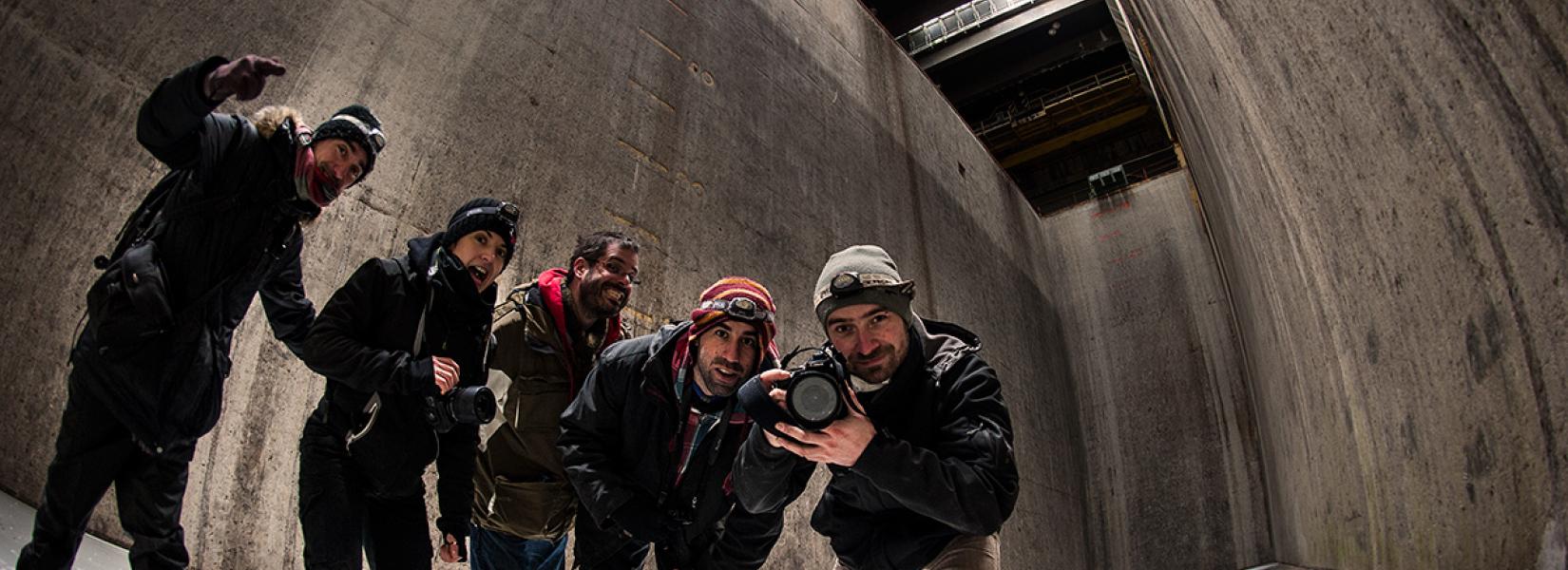
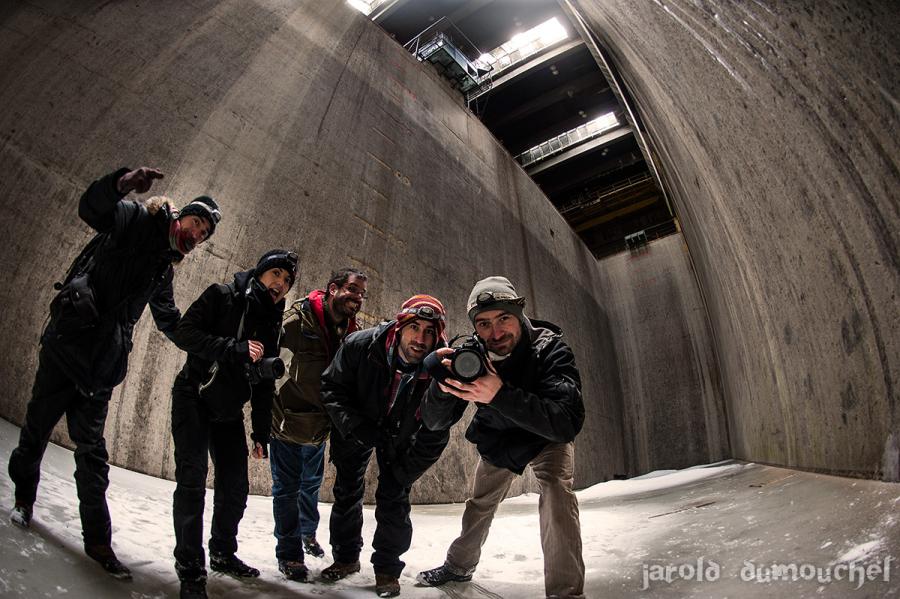
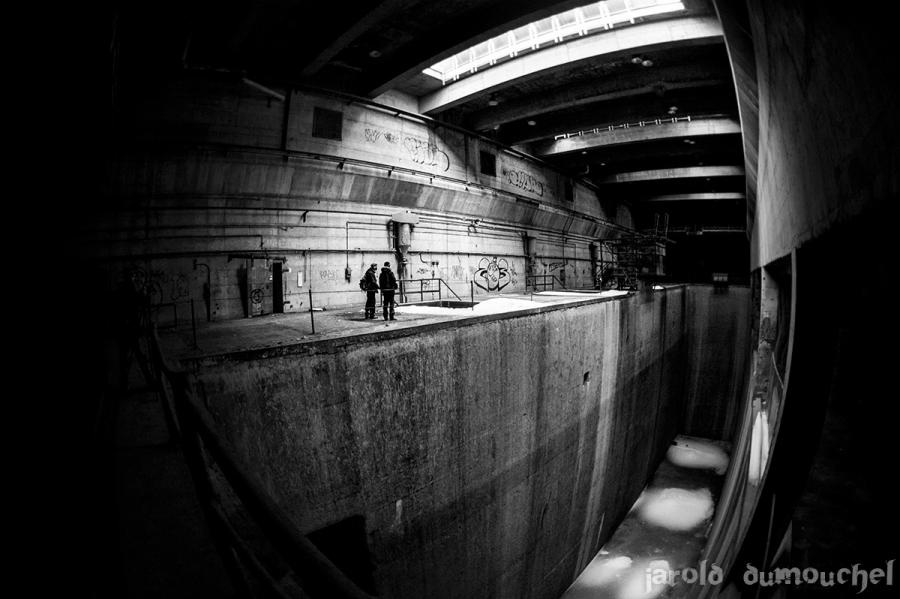
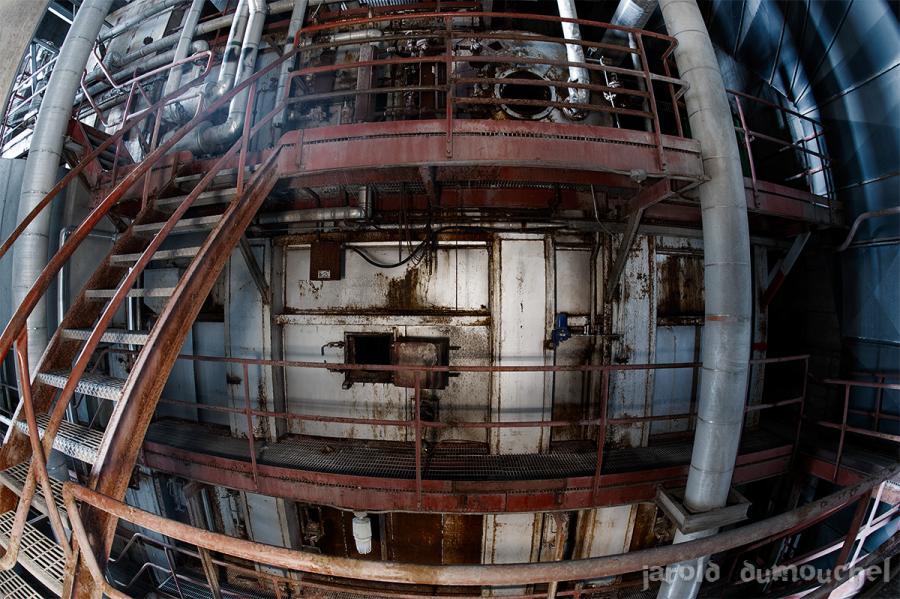
Despite its closure over twenty years ago, we must admit that the site is still in good shape. Or course, there is three feet of water in the basement, ice here and there and vandalism that has been done over the years, but nevertheless its structure is still ok.

Photo gallery
Interested by this place? Here are more pictures of the former incinerator # 3.



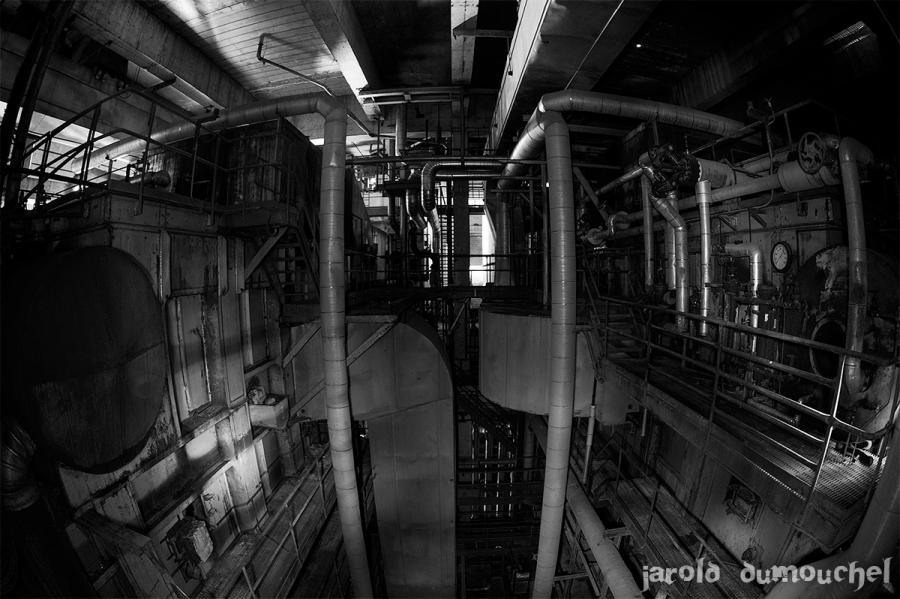

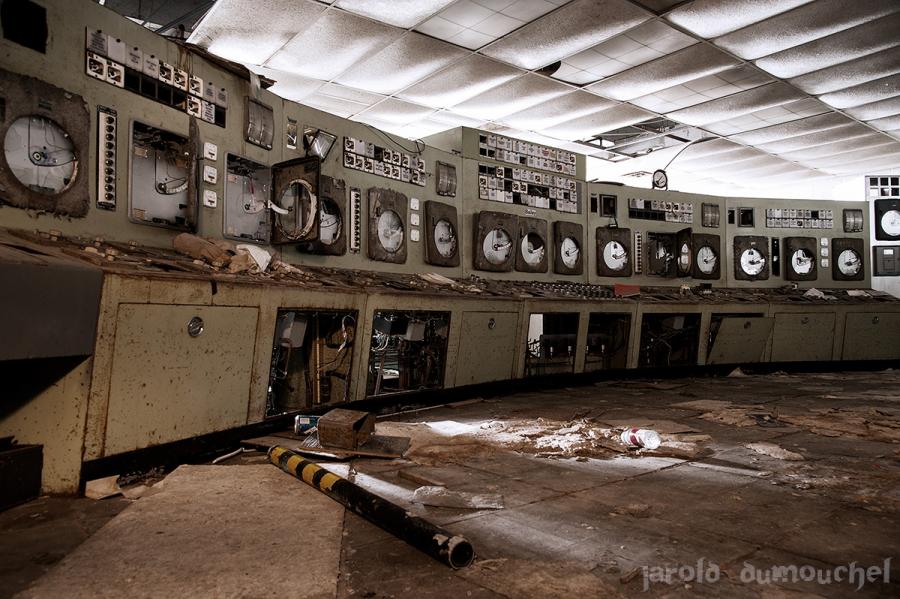
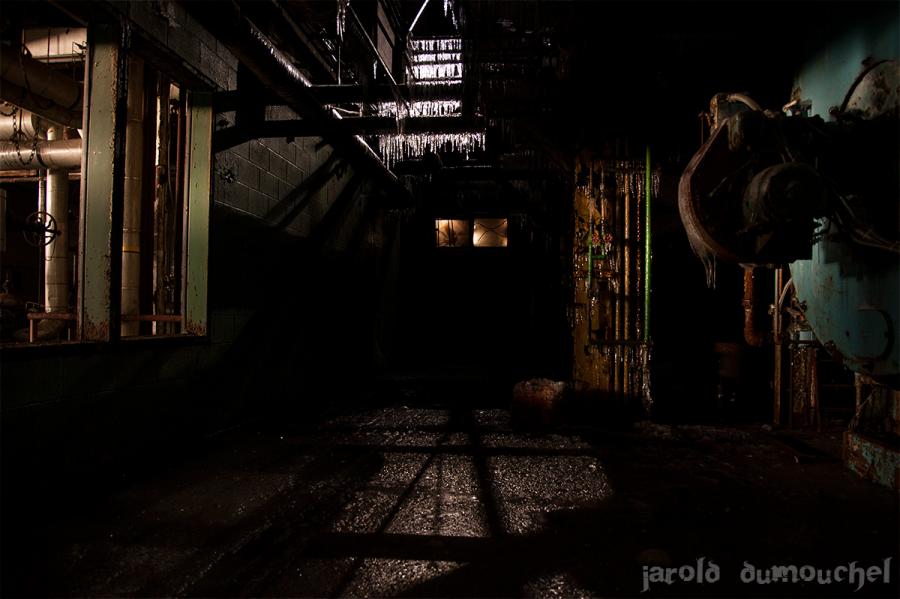

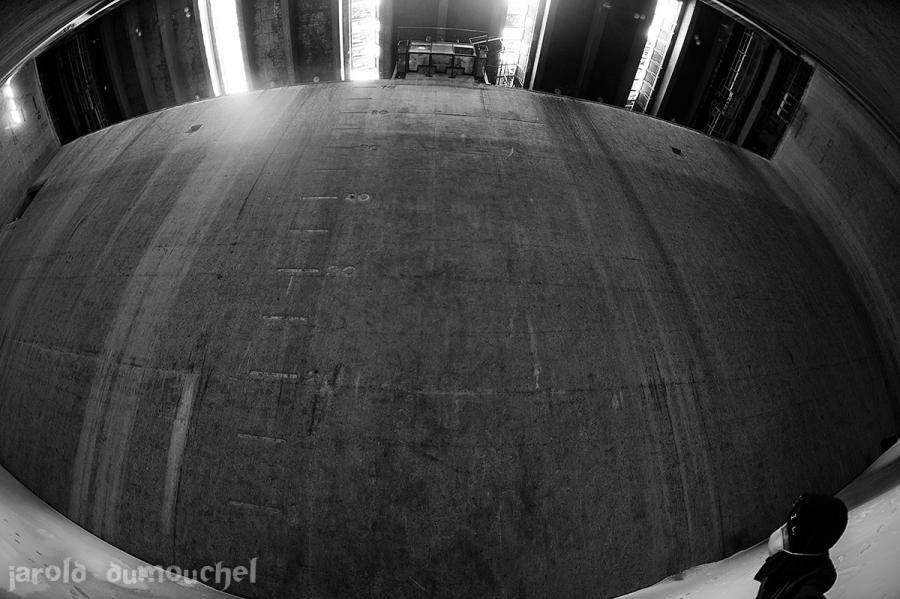
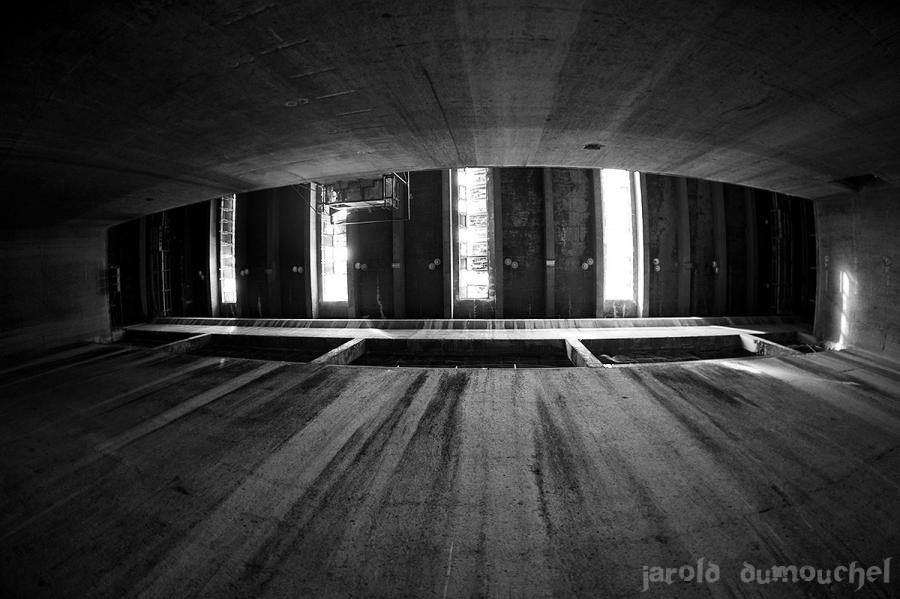
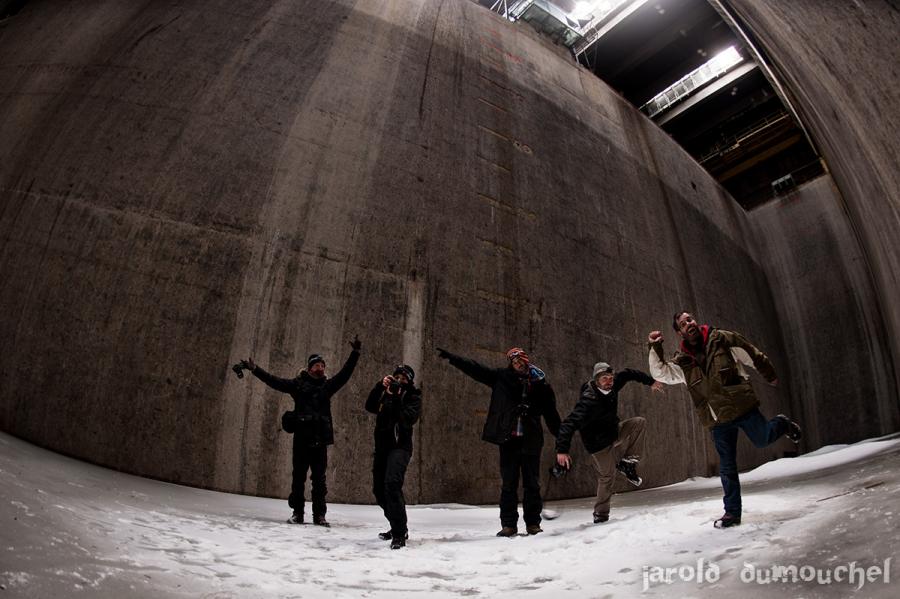
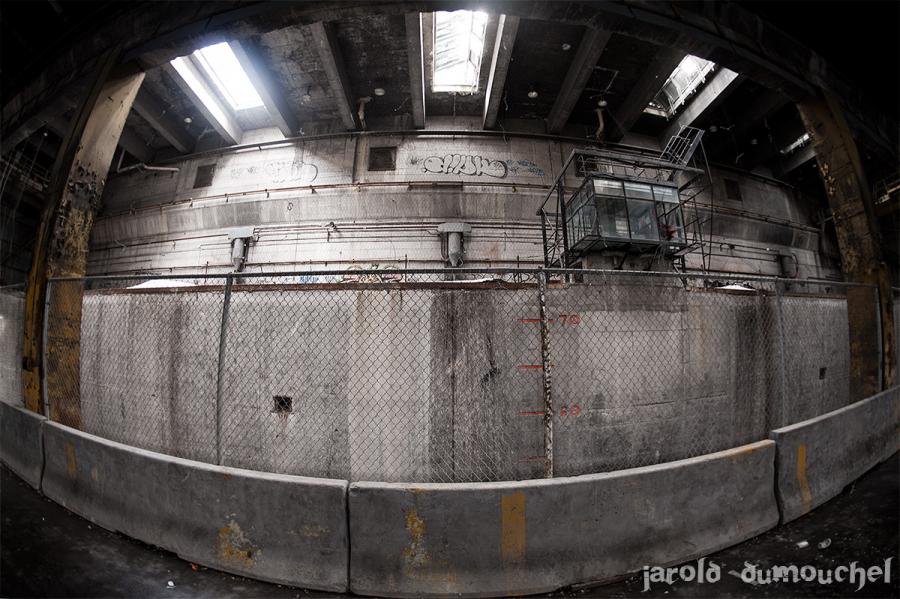

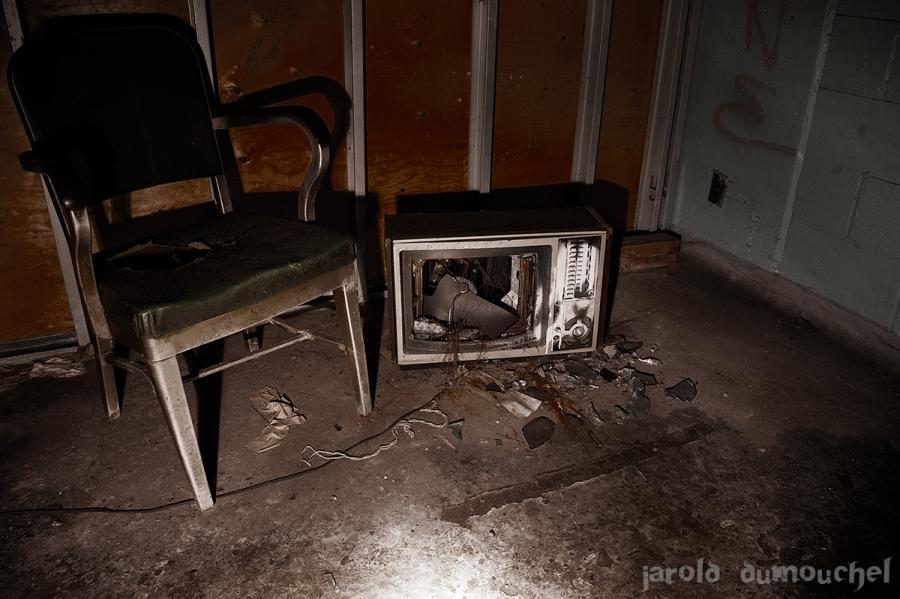
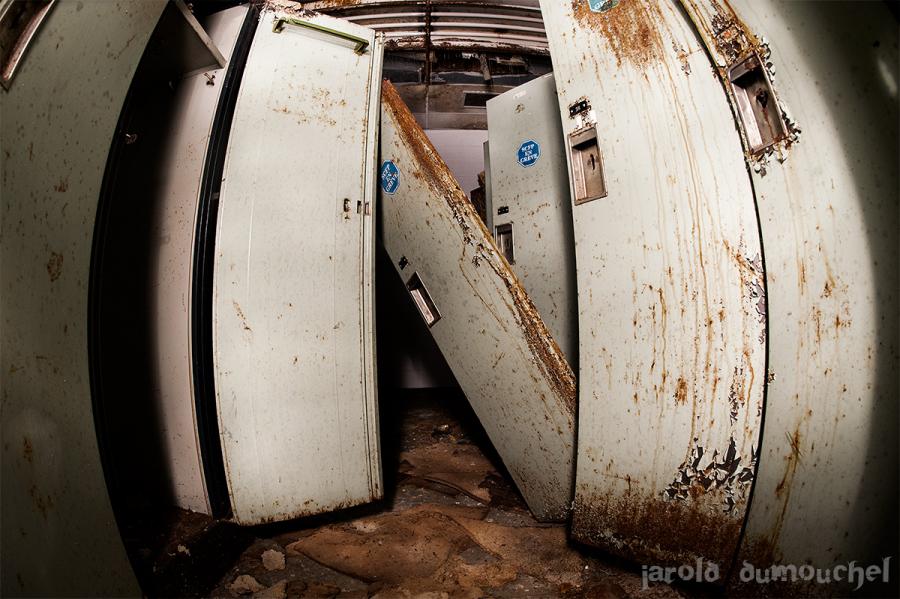
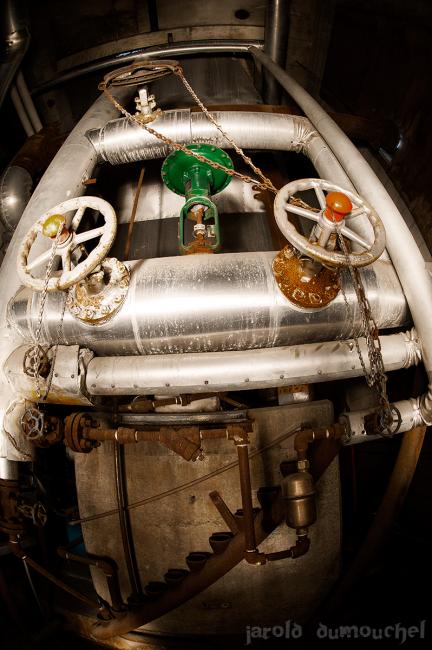
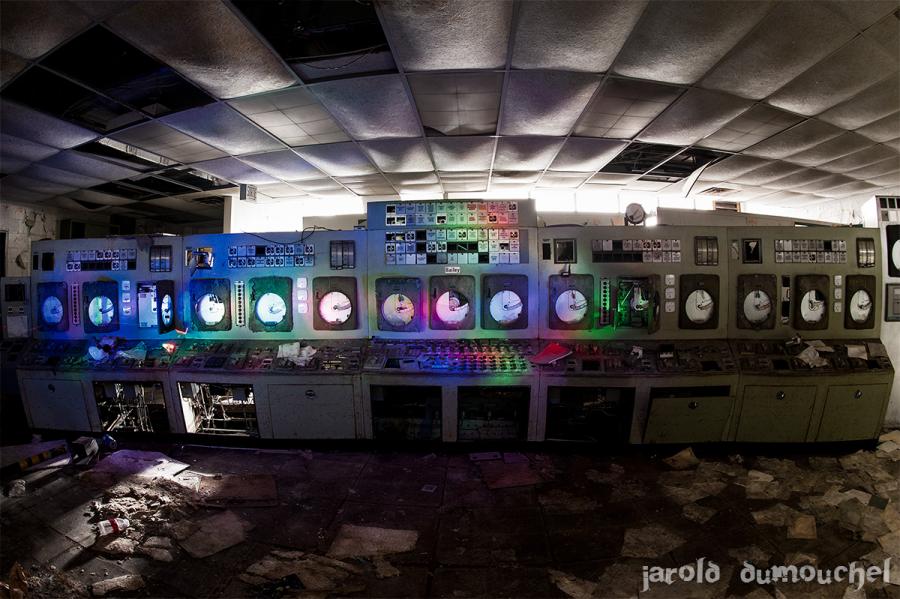
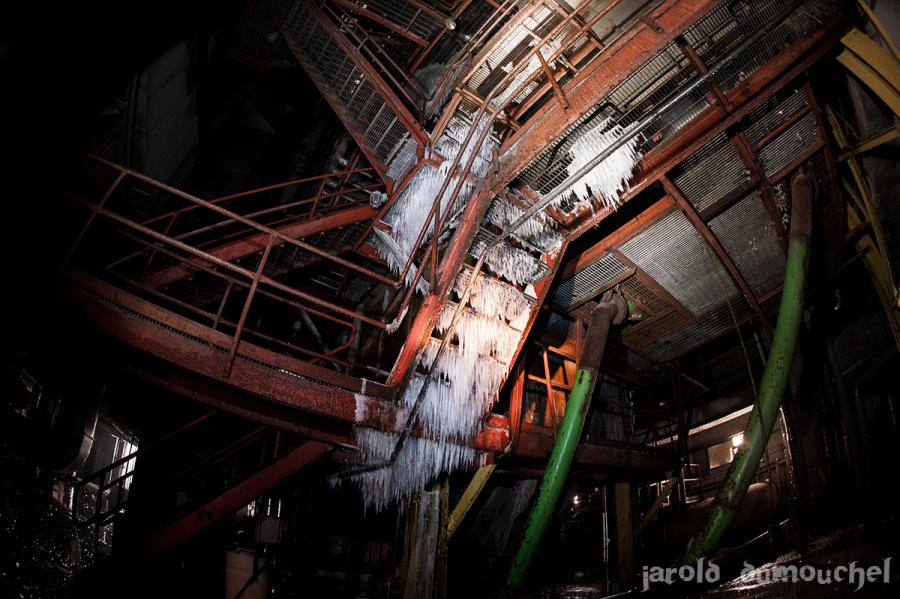
Urbex Playground
needs you !
You have information about this place? Better still, you have pictures of this place that you are willing to share? Well, hurry to click this button before I came to kick your ass!
Related content
Calzadilla de los Barros, (Spain)
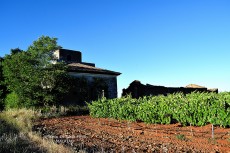
Located a few kilometers from the municipality of Calzadilla de los Barros and its 850 inhabitants, the abandoned aerodrome dates from before the Spanish Civil War which took place from 1936 to 1939 with the victory of General Franco.
It...
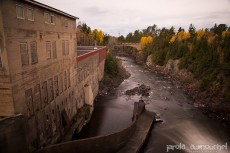
For the region, it is a vestige of an industrial era that is now over. Whereas in the past, the factory gave a salary to nearly a hundred employees, the complex is now padlocked and deserted, although monitored by about twenty surveillance...
Montréal, Quebec (Canada)
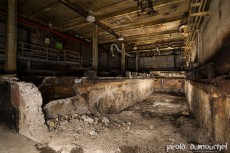
It can not be said that the place is in a good shape. The water infiltrates through every small hole in the roof to the point of offering on this cold winter night a skating rink on each floor. Moreover, the ice must make more than eight...


About Urbex playground
First of all, Urbex Playground is about urban and rural photography lovers. It is the respect of the places we have visited and to whom we have a great admiration. Of its contents, Urbex Playground wishes to preserve the memory of these abandoned, destroyed or dilapidated places who have made the glory of our fathers and which today we have, alas, not enough compassion.
We are not vandals or people necessarily involved in the preservation of these places. We do not pretend to believe that our pictures will change anything in the future of these churches, factories, homes and other abandoned buildings. We're just passionate about the image in the perpetual quest for new photographic challenges.
Urbex Playground is not a photo club, any more than we are touristic guides for these forbidden places. Moreover, in any case, Urbex Playground do not invites you to visit these places without the consent of its owners. These places are dangerous and by entering into these places, legal actions can be taken against you.
However, if you have pictures or information about any abandoned places, do not hesitate to contact us. We will be glad to publish them on the site, including your credit with your name and your website. Like this, our visitors will be able to visite your own website. Do not hesitate to contact us if you have any questions.
Urbex playground is social
Follow us on the following social network. Make sure also to visit these amazing websites by some of our members.
© 2018 Urbex Playground is a creation of Jarold & go. All rights reserved.